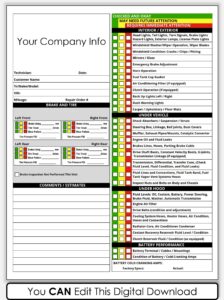
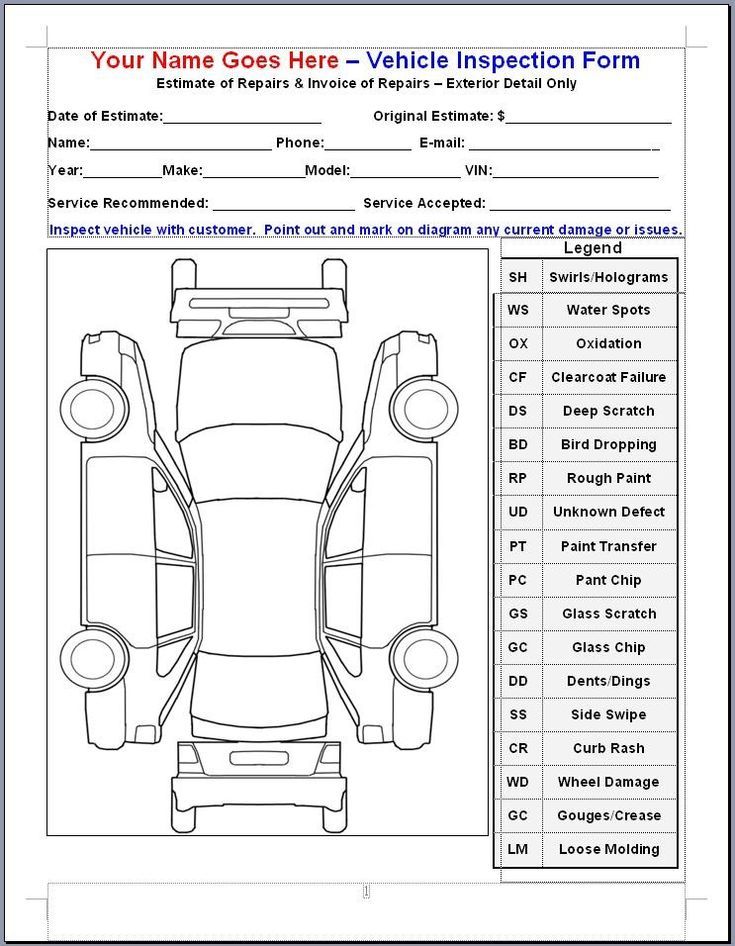
When you are looking at a car, whether it is one you have owned for years or a potential new purchase, it is easy to get distracted by a shiny coat of wax or a clean interior. However, the structural integrity and the condition of the exterior panels tell a much deeper story about the history of the machine. Using a vehicle body inspection checklist template allows you to look past the surface level and identify issues that could cost thousands of dollars down the road. It is about having a systematic way to ensure that nothing gets missed when you are walking around the car and peering into the wheel wells.
Most people feel a bit overwhelmed when they stand in front of a vehicle with the intent to inspect it. You might find yourself circling the car three or four times without really knowing what you are looking for. You might notice a small scratch here or a tiny dent there, but without a plan, you are likely to overlook the subtle signs of frame damage or a poorly executed paint repair. A structured approach turns a chaotic glance into a professional assessment, giving you the confidence to make an informed decision about the value and safety of the vehicle.
The beauty of having a guide is that it keeps you grounded in facts rather than emotions. It is very easy to fall in love with a specific model or color, and that excitement often blinds us to red flags like mismatched body gaps or bubbling paint near the fenders. By following a vehicle body inspection checklist template, you are essentially giving yourself a set of goggles that filter out the sales talk and focus purely on the physical reality of the metal and plastic. This process is not just for mechanics; it is a vital skill for any car owner who wants to preserve their investment over time.
Why a Professional Approach to Body Inspections Matters
The exterior of a car is its first line of defense against the elements, and any breach in this defense can lead to long term degradation. When we talk about body inspections, we are looking for more than just aesthetic flaws. We are looking for symmetry. Every car is manufactured with precise tolerances, meaning the gaps between the doors, the hood, and the trunk should be uniform. If you notice that the gap on the left side of the hood is wider than the one on the right, it is a strong indicator that the car has been in an accident and was not pulled back to its original factory specifications during repair.
Lighting plays a massive role in how you perceive the condition of the body panels. You should always try to perform your inspection in bright, natural daylight. Avoid rainy days or inspecting a car under dim garage lights because water droplets and shadows can hide a multitude of sins. When the sun is out, you can crouch down at the corners of the vehicle and look along the length of the panels. This perspective allows you to see waves in the metal or textures in the paint that suggest body filler has been used to mask a significant dent or crease.
Identifying Rust and Corrosion
Rust is the silent killer of vehicles, especially in regions where salt is used on the roads during winter. While a little bit of surface rust on a suspension component might be normal, rust on the body panels or the structural pillars is a major concern. You want to pay close attention to the bottom edges of the doors and the inner lip of the wheel arches. These are common trapping points for moisture and debris. If you see paint that looks like it is bubbling or lifting, it usually means that oxidation is happening underneath the surface and it is only a matter of time before a hole forms.
Paint matching is another critical area where a keen eye is required. Manufacturers use robots to apply paint in a controlled environment, resulting in a perfectly consistent finish. If a panel has been repainted in a local body shop, there might be a slight difference in the flake size of the metallic paint or a subtle shift in the shade. Look at the rubber seals around the windows and doors for any signs of overspray. If you see bits of body color paint on a black rubber gasket, you know for a fact that the panel has been worked on at some point in the past.
Glass and Trim Evaluation
The condition of the glass is often overlooked but it is an integral part of the vehicle structure. Check the windshield for any small chips or stars. These might seem minor, but temperature fluctuations can cause them to spread into large cracks that impair your vision and weaken the glass. Check the side windows to ensure they move up and down smoothly without grinding sounds, which could indicate that the internal regulators are failing or that the door frame has been tweaked out of alignment.
Finally, do not forget the plastic trim and the light housings. Modern cars use a lot of plastic cladding which can become brittle and fade over time due to UV exposure. Ensure that all the trim pieces are securely fastened and not missing any clips. Check the headlights and taillights for moisture buildup inside the lenses. Foggy or water filled lights suggest a broken seal, which can eventually lead to electrical shorts or corroded bulb sockets. A thorough inspection covers every inch of the exterior because every piece contributes to the overall health of the car.
Key Components to Include in Your Inspection Process
When you sit down to organize your thoughts, it helps to categorize the vehicle into specific zones. This way, you can finish one area completely before moving on to the next, which reduces the chance of skipping a step. Start with the front end, move to the sides, then the rear, and finally the roof and undercarriage. Each zone has its own unique set of things to look for, and staying organized is the best way to ensure you are being as thorough as possible.
While the exterior panels are important, you also need to look at the points where the body meets the frame. Open the doors and look at the sills and the center pillars. These areas should be free of any welding marks that do not look like they came from the factory. Check the VIN stickers on the door jams to see if they match the one on the dashboard. If a sticker is missing or looks like it was peeled off and reapplied, it could mean that the entire door was replaced with a part from a salvage yard.
The goal of this whole exercise is to create a complete picture of the vehicle’s life. A car that has been well cared for will show it in the details. Clean door jams, clear headlights, and consistent paint textures all point to an owner who took pride in their vehicle. On the other hand, a car with various shades of silver and missing trim pieces suggests a history of neglect or cheap repairs. By taking the time to use a vehicle body inspection checklist template, you are protecting your wallet and ensuring your safety on the road.
Taking the time to perform a detailed walkthrough of a vehicle might feel a bit tedious in the moment, but the long term benefits are undeniable. Whether you are a professional buyer or just someone looking for a reliable daily driver, having a consistent method for evaluating the exterior condition is a superpower. It allows you to negotiate from a position of strength because you actually know what the car is worth based on its physical state rather than just the asking price. You will find that most sellers respect an inspector who knows what they are looking for and asks the right questions.
In the end, your vehicle is one of the most significant purchases you will ever make, and the body is the shell that protects you and your passengers. Keeping it in top shape or ensuring that you are buying a solid foundation is worth every minute of the inspection process. Once you get used to the workflow, it becomes second nature, and you will find yourself noticing details on every car you see. Use the tools available to you and never settle for a vehicle that hides its secrets under a fresh coat of wax.