Ensuring the safety and security of your premises, assets, and personnel is a paramount concern for any organization. A proactive approach to identifying vulnerabilities is crucial in today’s unpredictable world, and that is precisely where a robust physical security inspection checklist template becomes an indispensable tool. It provides a structured method to systematically evaluate your current security posture, helping you catch potential weaknesses before they can be exploited.
Think of it as your roadmap to a safer environment. Without a consistent checklist, inspections can be hit-or-miss, leaving critical areas overlooked or forgotten. A well-designed template ensures every aspect of your physical defenses is scrutinized, from the perimeter to the most sensitive internal zones, guaranteeing a comprehensive assessment every single time.
This guide will walk you through the essential components of an effective physical security inspection, offering insights into what a thorough checklist should encompass. By understanding and implementing these elements, you can significantly enhance your protective measures and maintain a secure operating environment.
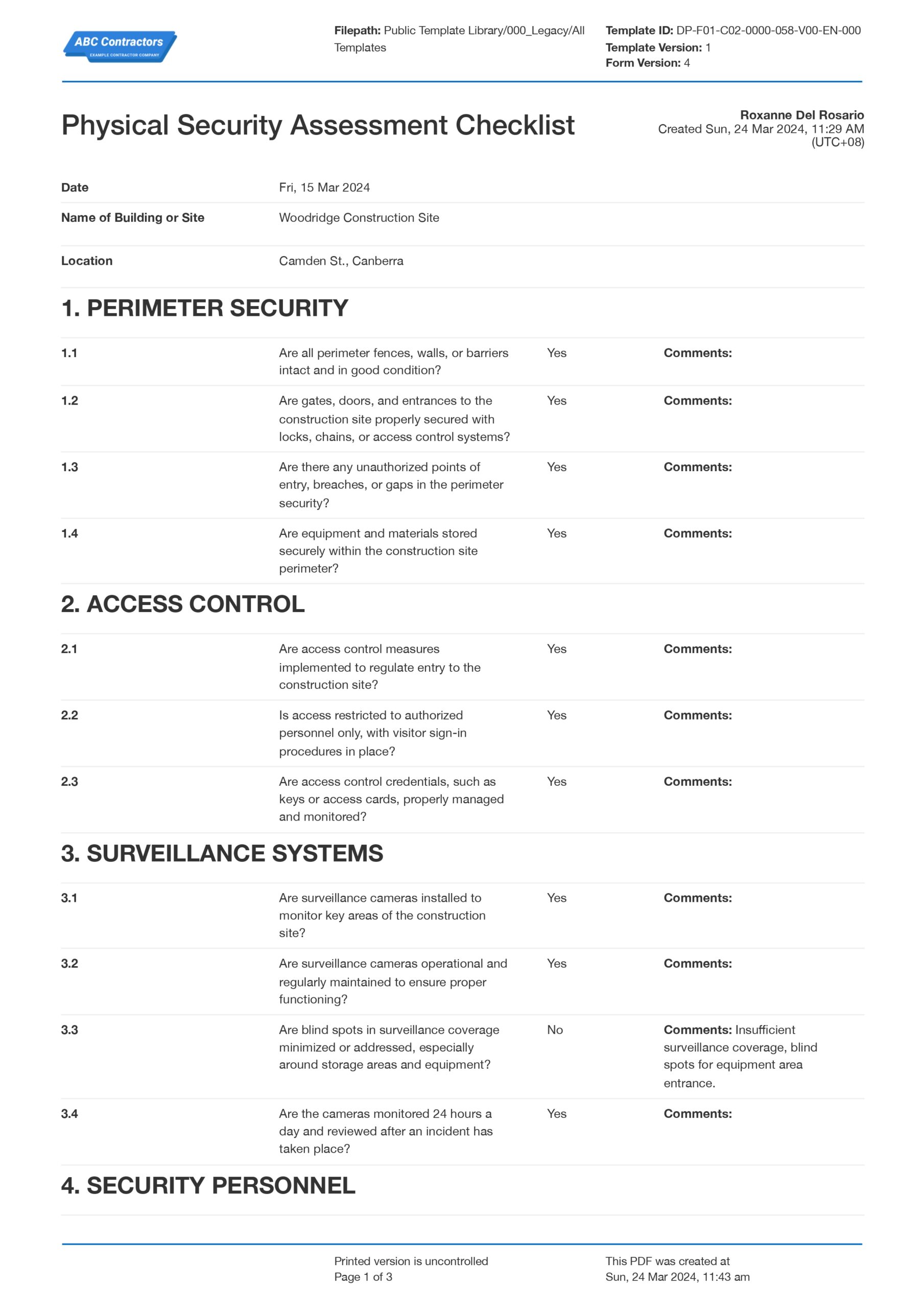
What Should Your Physical Security Inspection Checklist Template Cover
A truly effective physical security inspection dives deep into every layer of your defense system. It’s not just about locks and cameras; it’s about a holistic view of your protective ecosystem, encompassing everything that could prevent unauthorized access, theft, damage, or harm. Your template needs to be exhaustive, covering both visible and often overlooked areas that contribute to overall security.
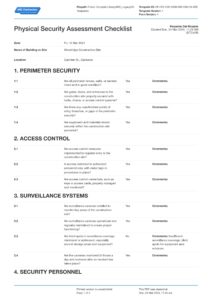
Perimeter Security
Start with the outermost layer. This includes checking the integrity of fences, walls, and gates for any signs of damage or compromise. Are all access points properly secured, including vehicular and pedestrian entrances? Evaluate the exterior lighting to ensure adequate illumination, especially in vulnerable areas. Don’t forget about signage, which should clearly indicate restricted access and surveillance. Reviewing the functionality and coverage of perimeter surveillance cameras is also a key step.
Building Exterior
Moving closer, the building’s exterior demands careful attention. Inspect all exterior doors for robust construction, proper locking mechanisms, and hinges that aren’t exposed. Are windows secured, and are there any broken panes or compromised frames? Check roofs for easy access points, such as unsecured hatches or nearby structures that could facilitate climbing. Any external vents or utility access points should also be examined to ensure they cannot be used for entry.
Interior Zones and Assets
Inside the building, the focus shifts to internal access control and the protection of specific assets. This means checking all internal doors, especially those leading to sensitive areas like server rooms, data centers, or executive offices, for proper locking and access control systems. Verify that valuable equipment is secured and tagged, and that confidential documents are stored appropriately. Fire safety measures, including alarm systems, sprinklers, and escape routes, also fall under this category, as they are crucial for asset and personnel protection during emergencies.
Personnel and Procedures
Security isn’t just about physical barriers; it’s also heavily reliant on human factors and established protocols. Your checklist should include verifying that all staff are wearing proper identification badges and that visitor management procedures are strictly followed. Review employee training records on security awareness and emergency procedures. Ensure that security personnel are performing their duties diligently and that any specific security protocols for sensitive operations are being adhered to.
Emergency Preparedness
A comprehensive inspection also assesses your readiness for unforeseen events. This section of your template should ensure that emergency evacuation plans are clearly posted and regularly practiced. Check that emergency exits are unobstructed and properly illuminated. Verify that first aid kits are fully stocked and accessible, and that emergency contact lists are up-to-date. The functionality of emergency communication systems, such as intercoms or mass notification systems, should also be tested.
Tips for Effective Physical Security Inspections
Having a thorough physical security inspection checklist template is a fantastic start, but its true value comes from how you implement it. An inspection is more than just checking boxes; it’s an ongoing process of vigilance, adaptation, and continuous improvement. To get the most out of your efforts, consider these practical tips to make your security reviews genuinely impactful.
Firstly, consistency is paramount. Schedule inspections regularly, whether it’s monthly, quarterly, or annually, depending on your organization’s risk profile and regulatory requirements. Varying the time of inspections and involving different team members can also help uncover fresh perspectives and potential blind spots that a routine inspector might overlook. Always ensure that the team conducting the inspection is properly trained on what to look for and how to document their findings accurately.
Documentation and follow-up are critical. Every vulnerability identified, no matter how minor, should be meticulously recorded with details, photographic evidence if possible, and a suggested corrective action. Assign responsibility for addressing each issue and set clear deadlines for resolution. Without a robust system for tracking and verifying that issues have been fixed, the inspection itself loses much of its preventative power.
Finally, remember that your environment is dynamic. Technology evolves, threats change, and your organization’s footprint may expand or shift. Therefore, your physical security inspection checklist template should never be a static document. Review and update it periodically, incorporating lessons learned from past inspections, new security best practices, and any changes to your facility or operational procedures.
By embracing a structured approach to security inspections, you’ll gain invaluable insights into your protective measures. This proactive stance not only helps in identifying and rectifying vulnerabilities but also fosters a culture of security awareness throughout your organization. Ultimately, consistent and thorough security reviews are an investment in the safety and resilience of your entire operation, safeguarding what matters most against potential threats.