Buying a home is one of the biggest milestones you will ever reach but the final stretch can feel incredibly overwhelming. Between the mortgage paperwork and the packing boxes it is easy to miss the small details that matter most. That is why having a solid pre settlement inspection checklist template on hand is absolutely vital before you pick up the keys for good. This final walkthrough is your last chance to ensure the property is in the same condition as when you signed the contract and that any agreed upon repairs have actually been finished.
Most buyers think of this as a quick peek to make sure the walls are still standing but it is much more than that. It is your opportunity to test every light switch, flush every toilet, and check the garage door one last time. If you find a major issue after the money has changed hands it becomes significantly harder to get the seller to fix it. Taking an hour or two to do a thorough sweep will give you the peace of mind you need to sign those final documents with confidence and excitement for your future.
Think of this process as your safety net. Real estate transactions move fast and details can fall through the cracks during the cooling off period or the long settlement window. By being methodical and organized you protect your investment and ensure that your first night in your new home is spent celebrating rather than calling an emergency plumber. Let us dive into what you actually need to look for so you can walk through that front door knowing exactly what you are getting into and avoiding any nasty surprises.
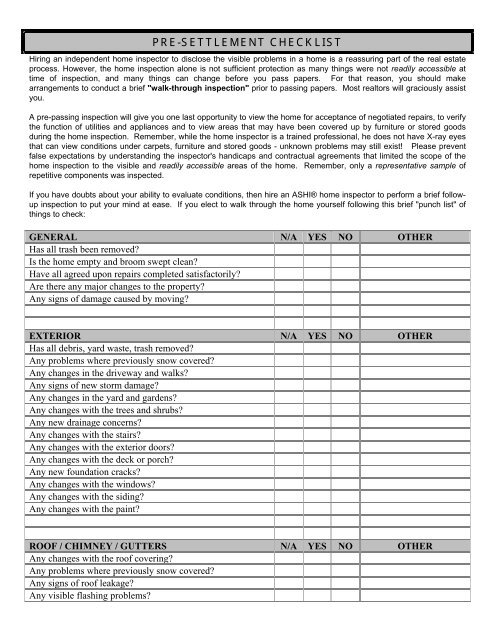
What to Look for During Your Final Walkthrough
When you first step into the property you should take a moment to just breathe and observe the general state of the home. It should be presented in a clean state and all the belongings of the previous owner should be gone unless you specifically agreed otherwise. Look for any new damage that might have occurred during the move out process such as scuffs on the walls or cracks in the flooring. It is also important to check for any unusual smells that might indicate dampness or plumbing issues that were previously hidden by furniture or rugs.
Testing the Internal Systems
The plumbing and electrical systems are the heart of the home and they need to be working perfectly. Go to every room and turn on the lights and ceiling fans to ensure the switches are functional. You should also bring a small device like a phone charger to test the power outlets. In the kitchen and bathrooms turn on all the taps to check for water pressure and look underneath the sinks for any signs of active leaks or pooling water. Flushing the toilets is another essential step to ensure the drainage system is clear and there are no backups.
Kitchen appliances are often included in the sale and you must verify they are in working order. Turn on the oven and the stovetop to see if they heat up correctly and check the dishwasher to make sure it starts a cycle. If there is a range hood make sure the fan and the lights are working. It is much easier to negotiate a repair for a broken oven before settlement than it is to try and fix it yourself in the first week of moving in. These items can be expensive to repair or replace so do not feel rushed during this part of the inspection.
Heating and cooling systems are another high priority area. Whether the home has central air or individual split systems you should turn them on and let them run for a few minutes. Check that the air coming out is the correct temperature and listen for any strange rattling noises or grinding sounds. If the property has a fireplace or a gas heater ensure that those are also functioning safely. Comfort is key in a new home and you do not want to find out the air conditioner is broken on the first hot day of summer.
Examining the Structure and Exterior
Windows and doors are often overlooked but they are vital for security and insulation. Open and close every window to make sure they do not stick and check that all the locks are functional and that keys are provided for them. Look at the glass for any new cracks or chips. For the doors check the hinges and ensure they swing freely without scraping the floor. If there are screen doors or fly screens check for any tears or holes that might have appeared since your last visit.
Moving to the outside of the home check the garden and the perimeter walls. Ensure that all rubbish has been removed from the yard and that the sheds or garages are empty as per the contract. If there is a swimming pool check that the pump is running and the water looks clear. You should also look at the gutters and downpipes to see if they are securely attached. While you are not expected to be a building inspector you should keep an eye out for any obvious new structural issues or large cracks that were not there during the initial viewing.
Finally check the garage and any external gates. If there is an automatic garage door opener use the remote to make sure it opens and closes smoothly. Check the manual locks on gates and ensure that any outdoor lighting or sensor lights are working. These small external details contribute to the overall security and functionality of your new property. Taking the time to verify these elements ensures that the transition into your new home is as smooth and stress free as possible.
How to Use Your Checklist Effectively
To get the most out of your pre settlement inspection checklist template you need to arrive prepared with the right mindset and a few simple tools. It is helpful to bring a copy of your original contract of sale so you can refer to the list of inclusions and exclusions. This ensures you are not guessing about whether that fancy chandelier or the garden shed was supposed to stay behind. Having a notebook and a camera on your phone is also essential for documenting any issues you find so you can easily communicate them to your real estate agent or solicitor.
During the walkthrough it is best to stay focused and avoid getting distracted by interior design ideas or placement of furniture. You are there for a specific technical purpose. If you do find a problem do not panic. Most issues can be resolved through a price adjustment or by having the seller fix the problem before the final settlement date. Clear communication is the most important part of this stage. Mention your concerns to the agent immediately and follow up in writing to ensure there is a clear record of the request.
- Check all light switches and power outlets in every room
- Test all kitchen appliances including the oven and dishwasher
- Run all taps and flush every toilet to check for leaks
- Verify that heating and cooling systems are operational
- Inspect walls and floors for any new damage or debris
- Confirm all keys are present and locks are working correctly
Remember that the goal of this inspection is to ensure the property is in the same condition as when you agreed to buy it. You are not looking for minor wear and tear that was already present but rather new issues or failures of essential services. By staying organized and using a structured approach you can walk away from the property feeling confident. This final check is the last hurdle before you can finally relax and enjoy the excitement of home ownership without the nagging worry that something might be wrong behind the scenes.
As you finish your walkthrough and tick off the last item on your list take a moment to appreciate how far you have come in this journey. Buying a home involves a lot of moving parts and successfully navigating the final inspection is a huge win. Once you are satisfied that everything is in order you can give your legal representative the green light to proceed with the settlement. This is the moment where all your hard work and careful planning finally pay off and the keys will soon be in your hand.
Moving into a new space is the start of a brand new chapter in your life. With a thorough inspection behind you you can focus on the fun parts of moving like decorating and getting to know your new neighborhood. Any small issues you found and resolved now are headaches you will not have to deal with later. Enjoy this special time and take pride in the fact that you did your due diligence to protect your future home. The path is now clear for you to move in and start making wonderful new memories.