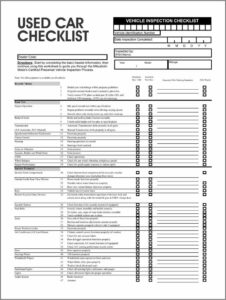
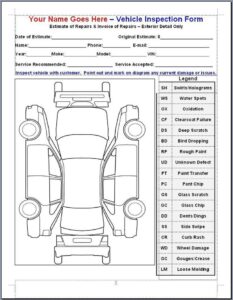
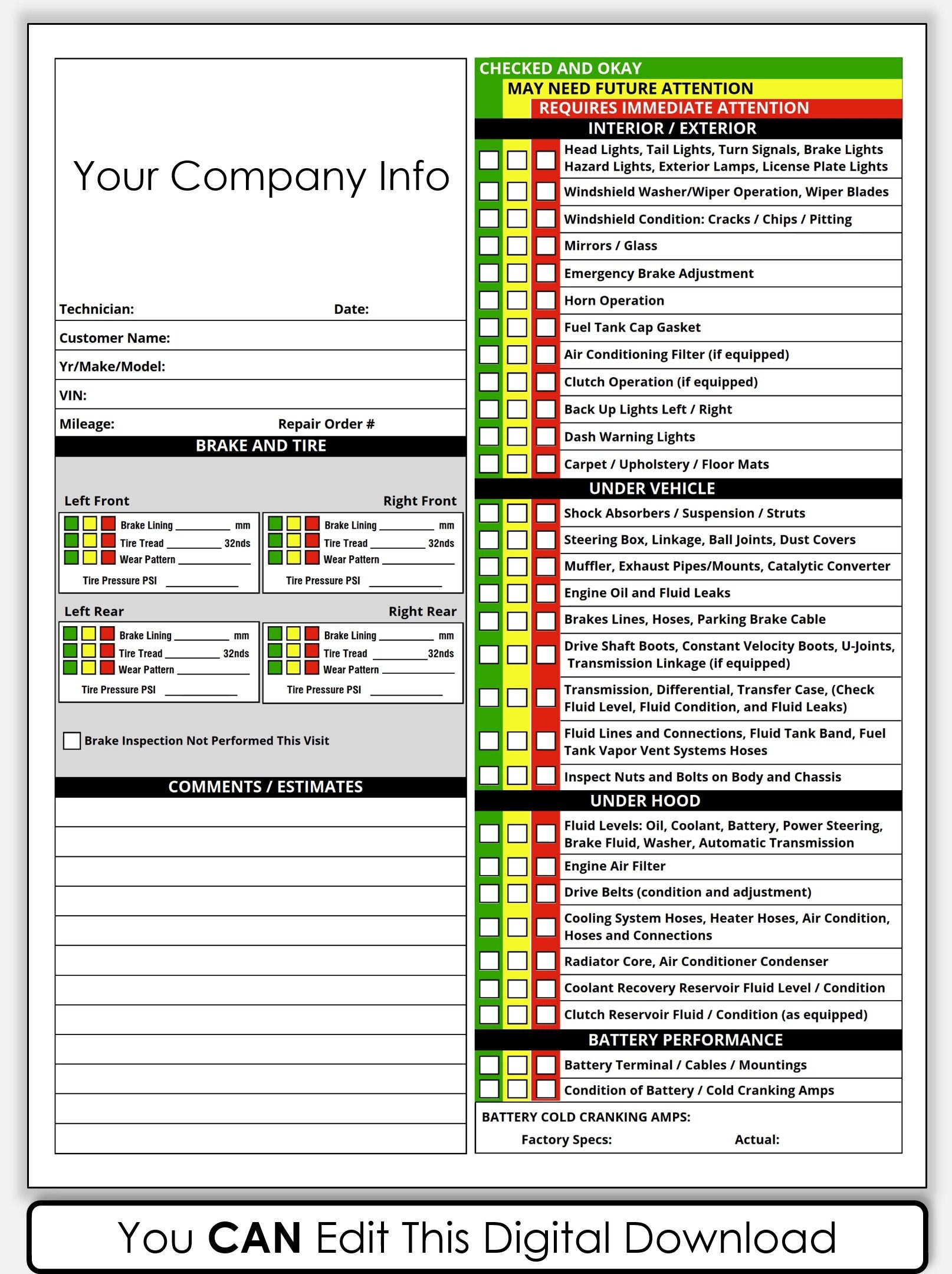
Finding that perfect set of wheels on the secondary market can feel like searching for a needle in a haystack. You want something reliable, stylish, and within your budget, but the fear of buying a lemon is always lurking in the back of your mind. To make sure you are making a sound investment, having a used vehicle inspection checklist template is absolutely essential to keep your evaluation organized and thorough. It helps you look past the shiny wax job and focus on the mechanical health of the car.
Most of us are not professional mechanics, and that is perfectly okay. You do not need a degree in automotive engineering to spot red flags; you just need to know where to look and what questions to ask. When you have a structured plan in place, you are much less likely to get caught up in the excitement of the moment and overlook a leaking gasket or a worn out suspension. It is about being smart and taking control of the buying process.
This guide is designed to walk you through the process of inspecting a car from bumper to bumper. We will cover the exterior, the interior, and the vital components under the hood. By the time you finish reading, you will feel much more confident walking onto a dealership lot or meeting a private seller in a parking lot. Let us dive into the details of what you should be looking for before you hand over your hard earned money.
The Core Components of a Comprehensive Inspection
A good inspection starts long before you even turn the key in the ignition. It begins with a slow walk around the vehicle in broad daylight. You want to look for inconsistencies in the paint color or gaps between body panels that might suggest the car was in an accident and repaired poorly. Sunlight is your best friend here because it reveals ripples in the metal that might be hidden under artificial garage lighting. Look for any signs of overspray on the rubber seals which is a dead giveaway of a recent paint job.
Beyond the aesthetic appearance, you need to think about the long term structural integrity of the frame. Rust is the silent killer of many great vehicles, especially in regions where salt is used on the roads during winter. Checking the wheel wells, the door sills, and the undercarriage for any signs of bubbling or flaking metal can save you thousands of dollars in repairs down the line. If you see a lot of fresh black spray paint under the car, the seller might be trying to hide significant corrosion.
Examining the Mechanical Heart
Once you pop the hood, do not let the complex layout of wires and hoses intimidate you. You are looking for signs of neglect, such as dark, gritty oil or low coolant levels. A well maintained engine bay might be a bit dusty, but it should not be covered in fresh oil or bright green fluid leaks. Check the belts for cracks and the battery terminals for corrosion, as these are easy indicators of how well the previous owner cared for the car. A clean engine bay usually shows that the owner took pride in their vehicle.
The fluids are the lifeblood of any vehicle, and their condition tells a story. Transmission fluid should be reddish and not smell burnt, while the brake fluid should be clear rather than dark and murky. If you see any signs of milky residue under the oil cap, it could indicate a serious head gasket issue, which is usually a deal breaker for most savvy buyers. Always pull the dipstick and check the oil level and color to ensure it is not overly thick or contaminated with metal shavings.
Suspension and Tires
Tires can be an expensive replacement item right after a purchase, so check the tread depth carefully. Uneven wear across the tire surface often points to alignment issues or worn out suspension components like struts and bushings. You can do a simple bounce test on each corner of the car to see if the shocks are still doing their job or if the car continues to oscillate after you let go. A car that bounces more than twice after a firm push is likely in need of new shock absorbers.
Checking the wheels themselves for any cracks or significant damage is a vital step. While a few scratches are normal for a used car, heavy damage could mean the vehicle hit a curb hard enough to bend an axle or damage the steering rack. Taking the time to squat down and look at these details ensures that your used vehicle inspection checklist template is working to protect your wallet and your safety on the road. Never ignore the condition of the tires as they are the only part of the car that actually touches the pavement.
Practical Steps for the Interior and Test Drive
Stepping inside the cabin is about more than just checking the comfort of the seats. You want to test every single button, switch, and lever to ensure the electronics are functioning properly. Turn on the air conditioning to see if it blows ice cold, check the heater, and make sure all the windows roll up and down without straining. If the car has a sunroof, test that too, as leaks in the seals can lead to mold issues that are notoriously difficult to fix. Smelling the interior for dampness or heavy perfume is another way to detect hidden water damage.
The test drive is the most critical part of the entire evaluation process. This is your chance to feel how the car handles different road surfaces and speeds. Listen for any strange clunks when going over bumps or squealing noises when applying the brakes. The transmission should shift smoothly without jerking, and the steering should feel centered without pulling to one side or the other. Pay close attention to how the car behaves when you accelerate quickly and when you come to a sudden stop to ensure everything feels tight and responsive.
When you are performing this part of the check, try to drive on both city streets and highways. Some issues, like wheel bearing noise or high speed vibrations, only become apparent once you reach cruising speeds. Using a list ensures you do not forget to check the following items during your drive:
- Check the responsiveness of the brake pedal
- Listen for engine knocking during acceleration
- Observe any smoke coming from the exhaust pipe
- Test the cruise control and lane departure warnings
- Feel for any vibrations in the steering wheel or seat
- Check if the parking brake holds the car on an incline
Buying a car is a significant life event for most people, and it deserves a high level of scrutiny. By being methodical and taking your time to inspect every detail, you transition from a hopeful buyer to an informed consumer. This shift in perspective allows you to negotiate from a position of strength, as you can point to specific mechanical or cosmetic issues to justify a lower price or request that the seller makes repairs before the deal is finalized. It is always better to walk away from a bad deal than to live with a mistake.
Ultimately, the goal is peace of mind. When you drive away in your new vehicle, you want to feel confident that it will get you to work, school, or on your next road trip without any unpleasant surprises. Staying organized and staying focused on the facts will always lead to a better outcome than relying on gut feeling alone. Take your time, do your research, and use your tools wisely. Happy hunting and may your next car serve you well for many miles to come.