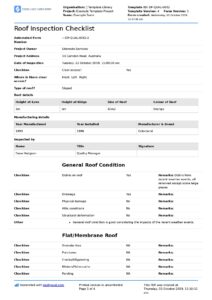
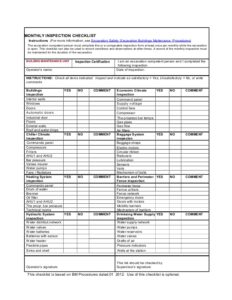
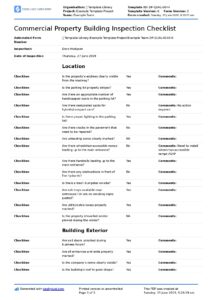
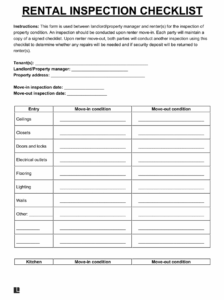
Starting a routine check on your property can feel like a chore, but having a reliable flat roof inspection checklist template can make the process significantly smoother. Flat roofs are common in modern architecture and commercial buildings because they are space-efficient and cost-effective, but they also require more frequent attention than pitched roofs. Without a clear guide, it is easy to miss small signs of wear and tear that could eventually lead to expensive structural damage and internal leaks that disrupt your daily life.
Unlike sloped roofs that naturally shed water through gravity, flat roofs rely on a slightly tapered design and internal drainage systems. This means that any small obstruction or dip in the surface can lead to standing water, which is often the silent killer of roofing materials. If you are not careful, moisture can seep into the insulation layers beneath the surface, causing rot and mold that you might not notice until it is too late to perform a simple repair.
Taking the time to walk your roof a few times a year is one of the best investments you can make as a property owner. It is about moving from a reactive mindset where you only fix things when they leak to a proactive approach where you maintain the system for longevity. By following a structured process, you ensure that every square inch of the membrane is accounted for and that nothing is left to chance during your seasonal assessments.
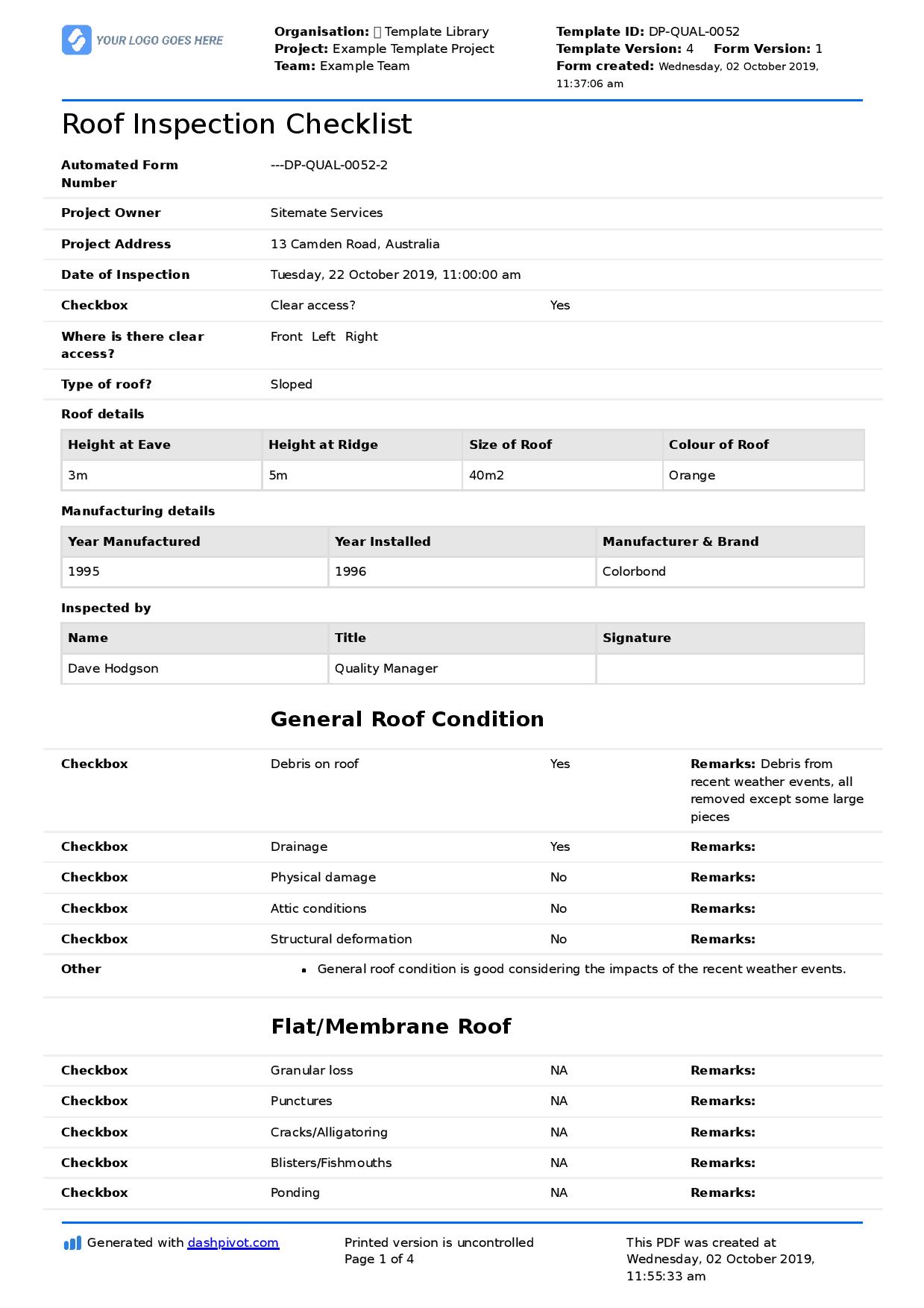
Key Areas to Evaluate During Your Inspection
When you get up on the roof, the first thing you should do is take a general look at the overall cleanliness and condition. Debris like leaves, branches, or even trash blown in by the wind can trap moisture against the roofing membrane. If this debris stays for too long, it can actually start to decompose and harbor biological growth that eats away at the protective layers. Keeping the surface clear is the simplest yet most effective way to prevent premature failure of the materials.
Ponding water is perhaps the most critical issue to watch for during your walk-through. If you notice large puddles that remain more than forty-eight hours after a rainstorm, your drainage system might be failing or the roof deck might have settled. This weight can stress the structure of the building and eventually cause the membrane to crack under the pressure. Identifying these areas early allows you to address the slope or the drains before the damage becomes structural and requires a full replacement.
Examining the Membrane Surface
The membrane itself is the primary barrier between your building and the elements, so its integrity is paramount. You need to look for blisters, which are small bubbles caused by air or moisture trapped between the layers. If you step on one and it feels soft, that is a sign that the adhesive has failed. Similarly, look for any punctures or tears that might have been caused by falling limbs or even workers walking on the surface with improper footwear during previous maintenance visits.
Another subtle sign of trouble is known as alligatoring. This is when the coating of the roof starts to crack in a pattern that looks like the skin of a reptile. It usually happens due to prolonged sun exposure and the natural aging of the bitumen or coating materials. When the surface gets to this point, it becomes brittle and loses its ability to expand and contract with temperature changes, making leaks almost inevitable if the surface is not coated or repaired quickly.
Flashings and Penetrations
Most leaks do not actually start in the middle of the roof but rather at the edges and around penetrations. Flashings are the metal or plastic strips that seal the gaps around vents, chimneys, and pipes. Over time, the sealant around these areas can dry out and crack due to thermal expansion. You should check every single pipe and vent to ensure the flashing is still tightly adhered to the membrane and that no water can sneak in behind the edges during a heavy downpour.
Finally, do not forget to inspect the perimeter and the drainage components. Gutters, scuppers, and interior drains need to be completely clear of obstructions to work properly. If water backs up because a drain is clogged, it will find the path of least resistance, which is often right through your ceiling. Checking the seals where the roof meets the parapet wall is also essential, as these seams are under constant stress from the building moving and settling over the years.
Maximizing the Value of Your Maintenance Routine
Consistency is the secret to effective roof management and long-term cost savings. It is not enough to just look at the roof once every few years when you remember to do so. Ideally, you should perform an inspection at least twice a year, once in the spring and once in the fall. This allows you to prepare for the harsh winter weather and then assess any damage that might have occurred during the freeze and thaw cycles of the colder months.
Documentation is just as important as the physical inspection itself. Whenever you find something unusual, take a high-quality photograph and note the exact location on a roof map. This creates a historical record that helps you track if a small crack is getting bigger over time or if a drainage issue is worsening. Having these records is incredibly helpful when you eventually need to speak with a professional contractor or an insurance adjuster about repairs or claims.
Integrating a flat roof inspection checklist template into your digital or physical files ensures that you follow the same steps every time you step onto the roof. This repeatability means that even if a different person performs the inspection next year, they will know exactly what to look for and where to start. It removes the guesswork and provides a clear roadmap for anyone responsible for the upkeep of the building, ensuring that no small detail is overlooked in the grand scheme of property maintenance.
Keeping your roof in top shape does not have to be an overwhelming task if you approach it with a plan and a bit of patience. While it might seem like a simple flat surface, there is a lot of engineering involved in keeping it watertight and functional for decades. Staying on top of the small repairs now will save you thousands of dollars in major renovations or complete replacements down the road. It is all about protecting your investment and ensuring the safety of everyone inside the building.
If you ever feel unsure about the condition of your roof after a personal check, it is always a good idea to bring in a professional for a second opinion. They have the tools and experience to spot hidden moisture that might not be visible to the naked eye. By combining your regular seasonal checks with occasional professional assessments, you can extend the life of your flat roof for many years to come and enjoy the peace of mind that comes with a dry and secure property.