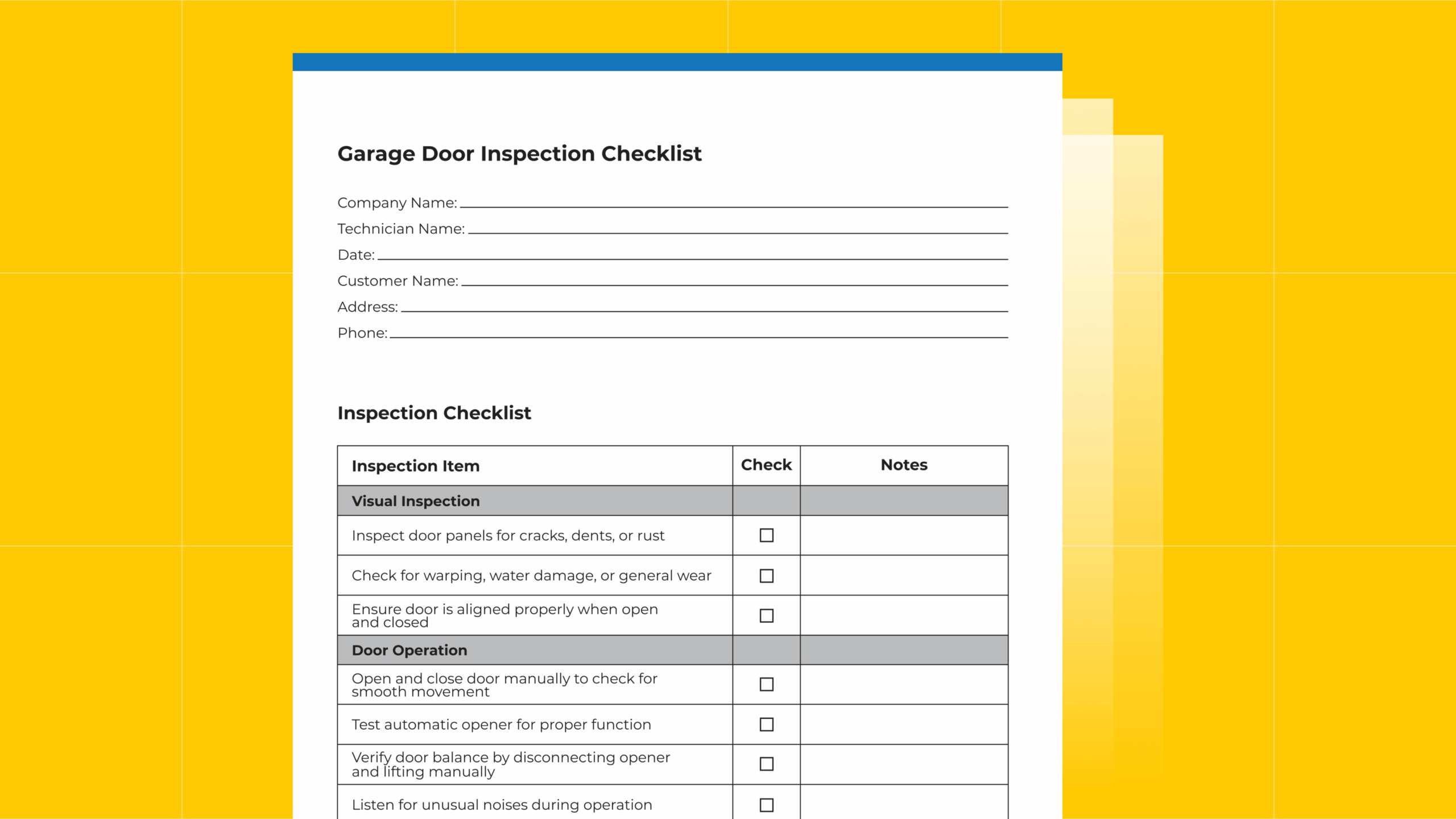
Most of us treat the garage as a catch-all for everything that does not fit inside the main house. From old holiday decorations to that mountain of cardboard boxes we swear we will recycle eventually, the garage is often the most overlooked part of the home. However, it is also one of the most critical structural components of your property. If you want to keep your home safe and functional, using a homeowner garage inspection checklist template is the best way to ensure you are not missing any hidden issues that could turn into expensive repairs down the road.
Taking a Saturday morning to walk through your garage might not sound like the most exciting way to spend your weekend, but it can provide immense peace of mind. We often forget that the garage houses some of the most heavy-duty machinery in our homes, specifically the garage door opener. Beyond that, it is a space where we store flammable liquids like gasoline for the lawnmower or chemicals for the pool. Because of these factors, a routine check-up is not just about home maintenance, it is about keeping your family safe from potential hazards.
Think of your garage as the protector of your vehicles and a shield for one of the main entry points of your home. When you stay on top of the small things, like a flickering light or a slightly squeaky door track, you prevent the snowball effect of home damage. This guide will walk you through the essential areas you need to monitor to keep your garage in tip-top shape throughout the seasons. You do not need to be a professional contractor to do this, you just need a keen eye and a bit of time to look around.
When you start your walk-through, the best place to begin is from the ground up. Take a look at the concrete floor and look for any new cracks that might have appeared since the last season. While small hairline cracks are common in concrete as a house settles, larger gaps could indicate a drainage issue or a problem with the foundation. You should also check for oil stains or chemical spills that could be eating away at the sealant. Cleaning these up early prevents permanent staining and keeps the surface from becoming a slipping hazard.
Next, you want to cast your gaze toward the walls and the ceiling. Look for any signs of water intrusion, such as dark spots or peeling paint. If your garage is unfinished, you have the advantage of seeing the framing directly. Check for any wood rot or signs of pests like termites or carpenter ants. These little critters love the damp, dark corners of a garage. If you notice any sawdust-like piles or tiny holes in the wood, it is definitely time to call in a professional to handle the infestation before it spreads to the rest of your home.
Testing the Garage Door System
The garage door is likely the largest moving part of your entire home, and it requires specific attention. Start by opening and closing the door to listen for any unusual grinding or scraping noises. These sounds often mean the rollers need lubrication or the tracks are out of alignment. You can easily wipe down the tracks with a damp cloth and apply a silicone-based lubricant to the moving parts. This simple act of maintenance can extend the life of your garage door motor by years because it does not have to work as hard to pull the weight.
Safety is the most important part of the door inspection. Every modern garage door opener is equipped with photo-eye sensors located near the floor. These are designed to stop the door if something is in the way. You can test this by placing a sturdy object, like a roll of paper towels, in the path of the door and trying to close it. If the door does not immediately reverse, your sensors might be misaligned or faulty. Additionally, check the manual release cord to make sure it functions properly in case you ever lose power and need to open the door by hand.
Electrical and Fire Safety Checks
Garages are notorious for having too few outlets, which leads many homeowners to rely on extension cords. During your inspection, check to see if you have any cords that are frayed or warm to the touch. It is always better to install a permanent outlet than to run multiple high-power tools off a single extension cord. Also, ensure that your garage has a working smoke detector and, ideally, a heat detector. Since garages can get dusty, a standard smoke alarm might give false readings, so a heat-based sensor is often a smarter choice for this specific environment.
Finally, do not forget to check your storage habits. Many people store propane tanks or large amounts of paint thinner in the garage without realizing the risk. Propane should always be stored outdoors in a well-ventilated area because even a tiny leak can lead to a gas buildup in an enclosed garage. Make sure all your household chemicals are in sealed containers and kept on higher shelves away from children and pets. Proper organization is not just about aesthetics, it is a vital part of your overall home safety strategy.
How to Use Your Checklist Effectively
Consistency is the secret to successful home maintenance. You should aim to use your homeowner garage inspection checklist template at least twice a year, ideally in the spring and the fall. These transitional seasons are when temperature changes affect the metal components of your garage door and when moisture is most likely to find its way through cracks in the seal. By marking these dates on your calendar, you turn a chore into a habit that protects your biggest financial investment.
When you are going through the list, keep a small notebook or a digital note on your phone to track what you find. Not everything requires an immediate fix. For example, you might notice that the weather stripping at the bottom of the door is starting to wear thin. While it might not be an emergency today, noting it down allows you to pick up the replacement part on your next trip to the hardware store. This proactive approach prevents those small, affordable fixes from turning into emergency repairs that require a professional service call on a holiday weekend.
Sharing the responsibility can also make the process go faster and help teach everyone in the house about safety. If you have kids, you can show them how the safety sensors work and why it is important to keep the area around the door clear. Creating a culture of awareness ensures that if something does go wrong between your scheduled inspections, someone will notice it and speak up. A well-maintained garage is a reflection of a well-cared-for home, and it starts with a simple, thorough look around the space.
- Check for floor cracks and moisture.
- Inspect the garage door springs and cables for wear.
- Test the auto-reverse safety feature on the door.
- Look for signs of pests or wood rot in the framing.
- Verify that the exterior weather stripping is intact.
- Clear dust from the garage door opener motor.
- Ensure all chemicals are stored in a safe, elevated location.
In the end, taking care of your garage is about more than just keeping things tidy. It is about ensuring that the systems you rely on every day continue to function without interruption. When you know that your sensors are working, your tracks are lubricated, and your storage is secure, you can pull into your driveway with a sense of relief. It removes the low-level stress of wondering if the door will get stuck or if a hidden leak is damaging your walls.
The time you spend today on a simple walk-through will pay dividends in the future through lower repair bills and a safer environment for your family. A garage is a hardworking space that deserves a little bit of your attention every now and then. Once you have completed your inspection, you can rest easy knowing that your home is in great shape from the ground up, leaving you free to enjoy your space without any looming surprises.