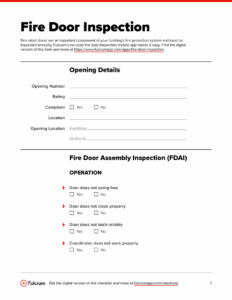
Creating a secure environment for your family involves more than just locking the front door at night. One of the most critical steps you can take today is establishing a reliable home fire safety checklist template that guides you through the necessary precautions and maintenance tasks required to prevent a disaster. While nobody likes to think about the possibility of a fire breaking out in their living space, being prepared is the single best way to ensure everyone stays safe and that damage is minimized if the unthinkable happens. Most incidents are preventable with a little bit of foresight and the right habits in place.
Think about your home for a moment. It is the place where you sleep, eat, and build memories with the people you love most. However, everyday items like a toaster, a space heater, or even a laptop charger can become a risk if they are not monitored or maintained properly. The goal of fire safety is not to live in fear but to build habits that become second nature, allowing you to enjoy your home with total peace of mind. By taking a proactive stance, you are protecting your assets and your loved ones simultaneously.
Many homeowners assume they will know exactly what to do in an emergency, but panic has a way of clouding judgment. Having a written guide or a structured plan ensures that you have already done the heavy lifting of thinking through the logistics before any smoke ever appears. This proactive approach turns a potentially chaotic situation into a manageable one where every second is utilized effectively. It is about creating a culture of safety within your household so that everyone, from the youngest to the oldest, knows their role.
The Foundation of a Fire Secure Household
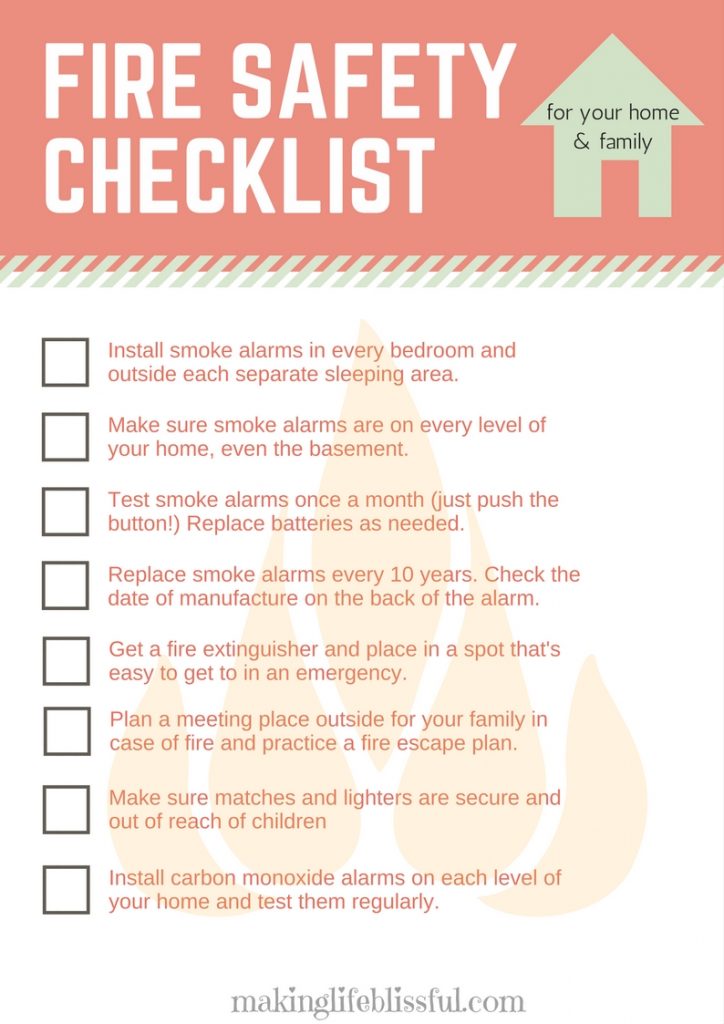
The most important tool in your arsenal is the smoke alarm. These small devices are your first line of defense, especially during the night when you are most vulnerable and your sense of smell is less active. It is not enough to just have them installed. You must ensure they are placed in every bedroom, outside every sleeping area, and on every level of the home including the basement. This ensures that no matter where a fire starts, you will receive an early warning that could save your life.
Detection and Early Warning Systems
Testing these devices should be a regular occurrence on your calendar. Most experts recommend a monthly test to ensure the batteries are functioning and the sensors are clear of dust or debris. If your alarms are more than ten years old, it is time to replace them entirely because the sensors lose sensitivity over time and may not perform when you need them most. Modern alarms often come with ten year batteries, which simplifies maintenance significantly.
The kitchen is statistically the most common place for fires to start in a residential setting. Grease fires or unattended stovetops can quickly get out of control if you are distracted. It is vital to stay in the kitchen whenever you are frying, grilling, or boiling food. If you have to leave the room even for a short period, turn off the stove until you return. This simple habit prevents the vast majority of cooking related accidents.
Keeping flammable items like dish towels, oven mitts, and wooden utensils away from the burners is another simple but effective habit. If a fire does start in a pan, never use water because it can cause a grease fire to explode and spread. Instead, slide a metal lid over the flames to smother them and turn off the heat source immediately. Keeping a fire extinguisher nearby that is rated for kitchen use is also a wise investment for any homeowner.
Managing Hazards in Common Areas
As we plug in more devices than ever before, our electrical systems are under constant stress. Avoid overloading power strips and check cords regularly for signs of fraying or heat damage. If an outlet feels hot to the touch or if you notice flickering lights, it is a sign of a deeper issue that requires professional attention from an electrician. Do not ignore these small warnings as they often precede a more serious electrical failure.
Space heaters are another major contributor to home fires during colder months. They need at least three feet of clearance from anything that can burn, including curtains, bedding, and furniture. Always plug them directly into a wall outlet rather than using an extension cord or power strip, and never leave them running when you go to sleep or leave the house. By treating these appliances with respect, you significantly reduce the chance of an accidental blaze.
Implementing Your Emergency Response Strategy
Having the right gear is only half the battle. The other half is knowing how to use it and where to go when time is of the essence. Every household needs a clear evacuation route that identifies two ways out of every room. This is especially important for upstairs bedrooms where a window might be the only alternative if the hallway is blocked by smoke. Ensure that everyone knows how to open windows and that security bars have a quick release mechanism.
Regular practice is what makes a safety plan effective. Sit down with everyone who lives in the house and walk through the steps together at least twice a year. Decide on a meeting place outside, like a specific tree or the mailbox, where everyone can gather so you can account for every family member immediately. This prevents people from running back into a burning building to look for someone who is already safely outside.
- Test smoke alarms monthly to confirm they are working correctly.
- Replace batteries in detectors at least once every year.
- Keep fire extinguishers in the kitchen and near the garage or workshop.
- Ensure all windows can be opened easily from the inside without a key.
- Clear clutter from hallways and doorways to keep exits accessible at all times.
- Teach children how to call emergency services and give their address clearly.
- Check that your house number is visible from the street for emergency responders.
Once you have your home fire safety checklist template finalized, keep it in a place where it can be seen often, such as on the side of the refrigerator or in a central hallway. Revisit the document every few months to see if anything has changed, such as a new piece of furniture blocking an exit or a child growing old enough to take on more responsibility during a drill. Continuous improvement is the key to maintaining a safe environment as your life and home evolve over the years.
Taking these steps might feel like a lot of work initially, but the effort pays off in the security it provides. You are not just checking boxes on a list. You are actively investing in the longevity of your home and the safety of your family. When safety becomes a priority, it reduces anxiety and allows you to focus on the things that truly matter in life without the constant worry of what might happen in an emergency.
Start small if you need to by checking your smoke detectors today. From there, you can gradually build out a more comprehensive strategy that covers every corner of your living space. Being prepared is a gift you give to yourself and your loved ones, ensuring that your home remains the sanctuary it was always meant to be. Safety is a journey rather than a destination, and every small action you take makes a meaningful difference in the end.