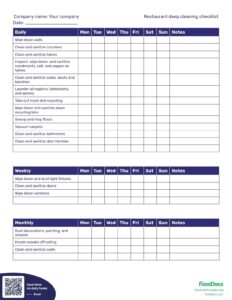
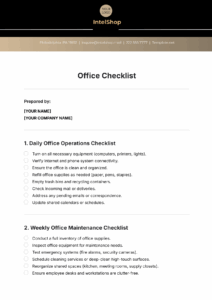
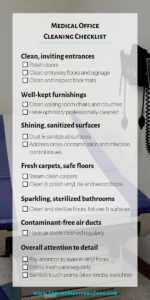
Ensuring a safe and healthy environment for everyone in your workplace isn’t just a legal requirement; it’s a fundamental commitment to your team’s well-being and your business’s longevity. That’s where a robust workplace health and safety checklist template becomes an invaluable tool. It provides a structured, systematic way to identify potential hazards, assess risks, and implement preventative measures, making the daunting task of maintaining safety manageable and effective.
Ignoring health and safety can lead to severe consequences, from minor injuries and lost productivity to serious accidents, hefty fines, and irreparable damage to your company’s reputation. Proactive safety measures, guided by a comprehensive checklist, empower businesses to stay ahead of potential issues, foster a culture of vigilance, and ensure everyone goes home safe at the end of the day.
Think of it as your roadmap to a safer workplace. It simplifies complex regulations into actionable steps, helping you methodically review every aspect of your operations. From machinery inspections to emergency procedures, a well-designed checklist ensures that no critical area is overlooked, offering peace of mind for both management and employees.
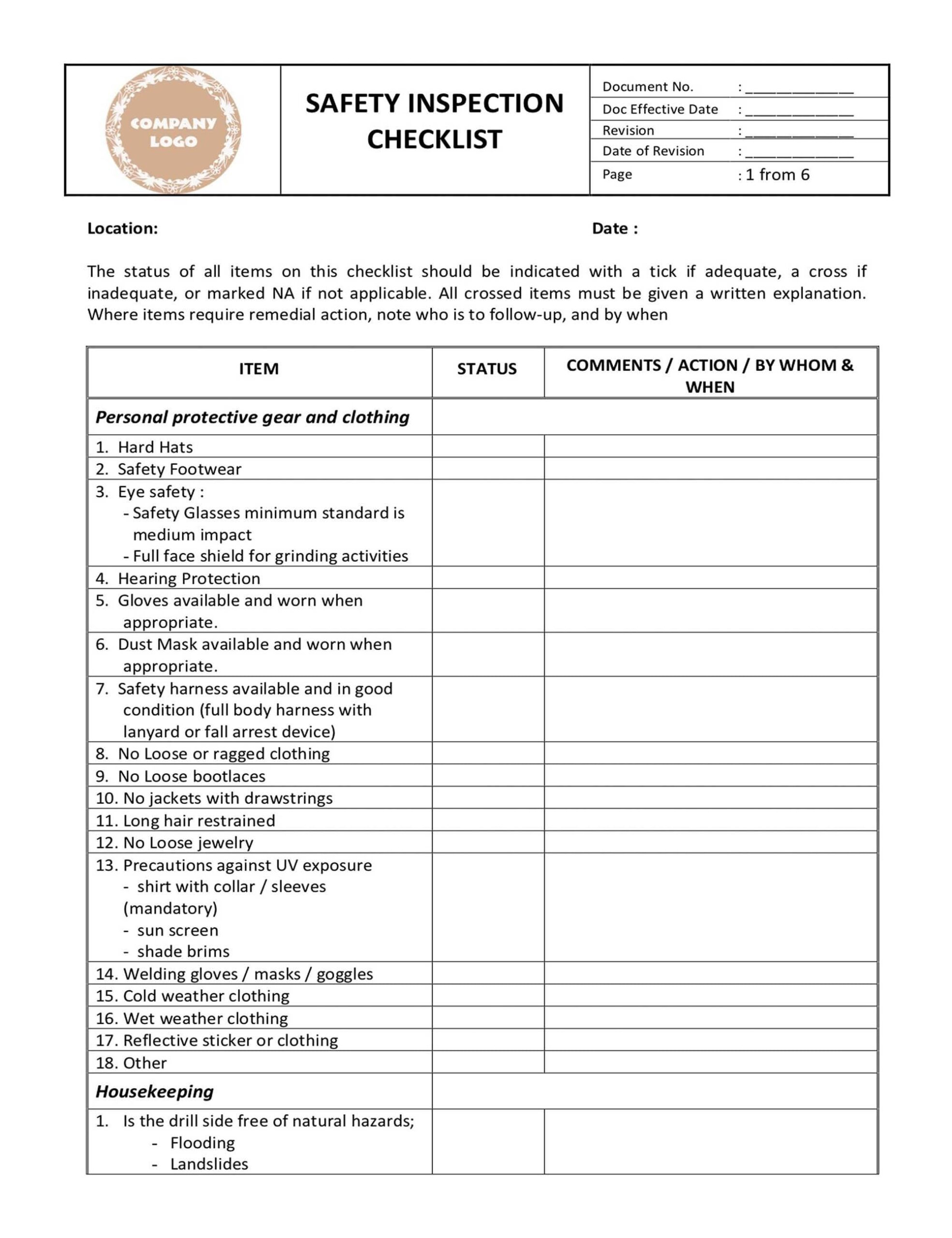
The Core Components of an Effective Workplace Health And Safety Checklist
When you’re building or utilizing a workplace health and safety checklist, it’s crucial to understand what makes it truly effective. It’s not just a generic list; it needs to be a living document that reflects the unique risks and operations of your specific business. A good checklist helps you systematically identify, evaluate, and control potential hazards before they become incidents.
Identifying and Assessing Hazards
The first step in any safety program is hazard identification. This means looking at every corner of your workplace, every process, and every piece of equipment to spot anything that could potentially cause harm. This could include physical hazards like slips, trips, and falls, electrical dangers, or unguarded machinery. It also covers chemical hazards from cleaning supplies or manufacturing materials, biological hazards like mold or bacteria, and ergonomic hazards related to repetitive tasks or poorly designed workstations.
Once identified, each hazard needs to be assessed for its potential severity and likelihood of occurrence. This risk assessment helps you prioritize what needs attention first. Is it a high-risk, high-probability hazard, or a low-risk, infrequent one? Understanding this distinction allows you to allocate resources effectively and focus on the most critical safety issues.
Implementing Control Measures
After hazards are identified and risks assessed, the next step is to put control measures in place. This follows a hierarchy of controls, starting with elimination (removing the hazard entirely), then substitution (replacing the hazard with a safer alternative), engineering controls (isolating people from the hazard), administrative controls (changing the way people work), and finally, personal protective equipment (PPE) as a last line of defense. Your checklist should prompt you to think about these different levels of control for each identified risk.
For example, if you identify a hazardous chemical, elimination might involve finding a non-toxic alternative. If that’s not possible, engineering controls might include proper ventilation systems. Administrative controls could be safe handling procedures, and PPE would involve gloves, masks, or eye protection. A thorough checklist will guide you through this decision-making process for every potential threat.
Emergency Preparedness and Response
No matter how careful you are, emergencies can happen. An effective checklist template includes sections dedicated to emergency preparedness. This means having clear, well-practiced evacuation plans, designated assembly points, and clearly marked fire exits. It also involves ensuring fire extinguishers are readily accessible and inspected regularly, and that first-aid kits are fully stocked and easily found.
Beyond physical resources, emergency preparedness extends to having trained first responders on staff and clear communication protocols in place. Everyone should know what to do in case of a fire, a medical emergency, or any other critical incident. Regularly reviewing and practicing these procedures through drills is a vital part of staying prepared.
Training and Communication
A safety program is only as strong as its weakest link, and often that link is a lack of awareness or training. Your checklist should prompt you to confirm that all employees receive appropriate health and safety training relevant to their roles and responsibilities. This includes general safety induction for new hires, specific training for operating machinery, and refresher courses on emergency procedures.
Effective communication is also paramount. Are safety policies clearly communicated? Is there a system for employees to report hazards or near misses without fear of reprisal? Open communication channels encourage a proactive safety culture where everyone feels empowered to contribute to a safer environment.
Regular Inspections and Maintenance
Safety is not a one-time event; it’s an ongoing process. A robust checklist will include provisions for routine inspections of premises, equipment, and safety devices. This ensures that machinery is well-maintained, safety guards are in place and functional, and any wear and tear is identified and addressed promptly. Regular maintenance prevents small issues from escalating into major hazards.
Think of it as a preventative health check for your workplace. These scheduled inspections help identify potential problems before they lead to an incident, ensuring that your safety measures remain effective over time. This continuous monitoring is a cornerstone of a truly comprehensive health and safety program.
How to Implement Your Health And Safety Checklist Effectively
Putting a health and safety checklist into action doesn’t have to be complicated. The key is to approach it systematically and involve your team. Remember, this isn’t just about ticking boxes; it’s about creating a safer, more conscious working environment for everyone. Start by personalizing your template to accurately reflect your specific business operations, potential hazards, and legal obligations.
Once you have a tailored checklist, it’s time to put it to work. Designate individuals or teams responsible for specific sections of the checklist, ensuring they have the necessary training and authority. Schedule regular reviews – whether daily, weekly, or monthly – depending on the risk level and the nature of the tasks. Documenting these checks is crucial, not just for compliance, but also to track progress and identify areas for improvement over time.
To truly embed safety, consider these actionable steps:
- Appoint a dedicated safety coordinator or committee.
- Conduct an initial comprehensive site assessment to inform your checklist customization.
- Ensure all employees receive training on the checklist and their safety responsibilities.
- Implement a clear system for reporting hazards and near misses.
- Schedule regular safety meetings to discuss findings and improvements.
- Review and update your workplace health and safety checklist template annually, or whenever there are significant changes in operations or regulations.
Adopting a comprehensive health and safety checklist template is one of the smartest investments you can make for your business and your people. It demystifies safety compliance, turning it into a structured, manageable process that yields significant returns in employee well-being, operational efficiency, and legal protection. By consistently utilizing and updating your checklist, you foster a proactive safety culture that safeguards your most valuable assets.
Ultimately, a commitment to health and safety is a commitment to excellence. By taking these systematic steps, you’re not just avoiding penalties; you’re building a resilient, responsible, and respected organization where every individual feels valued and secure. It’s about empowering everyone to contribute to an environment where safety is always the top priority.