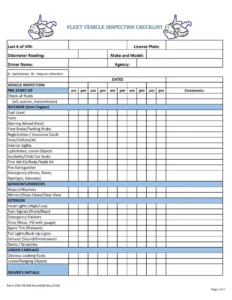
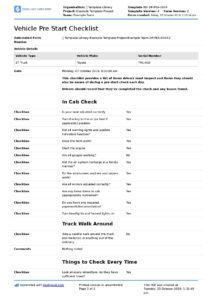
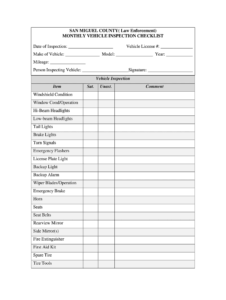
Running a tow truck operation means you’re not just moving vehicles; you’re often responding to emergencies, helping stranded motorists, and ensuring public safety on the roads. That’s a huge responsibility, and it all hinges on your equipment being in top working order. This is where a robust tow truck inspection checklist template becomes an indispensable tool, helping you maintain safety standards, meet regulatory requirements, and ensure the reliability of your fleet.
Regular inspections are not merely a suggestion; they are a critical component of risk management and operational efficiency. Imagine being called to a roadside breakdown only to discover your own truck has an issue, like a faulty winch or a non-functioning brake light. Not only does this delay service to your customer, but it also compromises the safety of your driver and other road users. Proactive checks can prevent these costly and potentially dangerous scenarios.
Without a standardized approach, inspections can easily become inconsistent, leading to overlooked issues that can escalate into major problems. A well-designed template provides a structured framework, guiding your team through every critical point of the vehicle, ensuring that nothing important is missed. It transforms a haphazard visual check into a comprehensive, accountable process.
Why a Comprehensive Tow Truck Inspection is Non-Negotiable for Your Business
Operating a tow truck involves inherent risks, which is why safety must always be at the forefront of your daily operations. A thorough inspection isn’t just about avoiding fines; it’s about protecting your drivers, your clients, and the public. Every component, from the engine’s fluid levels to the integrity of the chains, plays a vital role in the safe and effective performance of the vehicle. Neglecting any part could lead to catastrophic failure, serious injuries, or even fatalities.
Consider the exterior of your truck. The boom, winch, and rigging equipment are your primary tools for the job. Are the cables frayed? Is the hydraulic system leaking? Are the hooks and chains showing signs of wear and tear or stress fractures? These are not minor details; they are fundamental to your ability to safely secure and transport another vehicle. Regular visual and functional checks of these critical components are essential to prevent accidents.
Beyond the specialized towing equipment, the general mechanics of the tow truck itself demand rigorous attention. This includes checking the tires for proper inflation and tread depth, ensuring all lights (headlights, tail lights, turn signals, warning lights) are operational, and verifying that the brakes are responsive and effective. The engine compartment also requires a look-over for fluid levels—oil, coolant, power steering, and brake fluid—as well as belt tension and battery health.
The interior of the cab also plays a role in safety and compliance. Does the driver have clear visibility? Are the mirrors properly adjusted? Is the horn working? Crucially, are all required safety items present and easily accessible? This might include a fire extinguisher, first aid kit, reflective triangles or flares, and personal protective equipment (PPE) like gloves and safety vests.
Pre-Trip vs. Post-Trip Checks
It’s often beneficial to implement both pre-trip and post-trip inspections. A pre-trip check ensures the truck is ready to go before the day’s first call, addressing any immediate safety concerns. A post-trip inspection, on the other hand, allows drivers to note any new issues that arose during their shift, such as a strange noise or a new warning light, ensuring they are addressed before the next operational period. This two-pronged approach provides continuous monitoring of the vehicle’s condition.
Moreover, keeping detailed records of these inspections provides invaluable data. It helps track maintenance schedules, identify recurring issues with specific vehicles, and demonstrates due diligence in the event of an audit or incident investigation. These records are not just for compliance; they are a tool for continuous improvement in your fleet’s reliability and safety.
Crafting Your Ideal Tow Truck Inspection Checklist Template
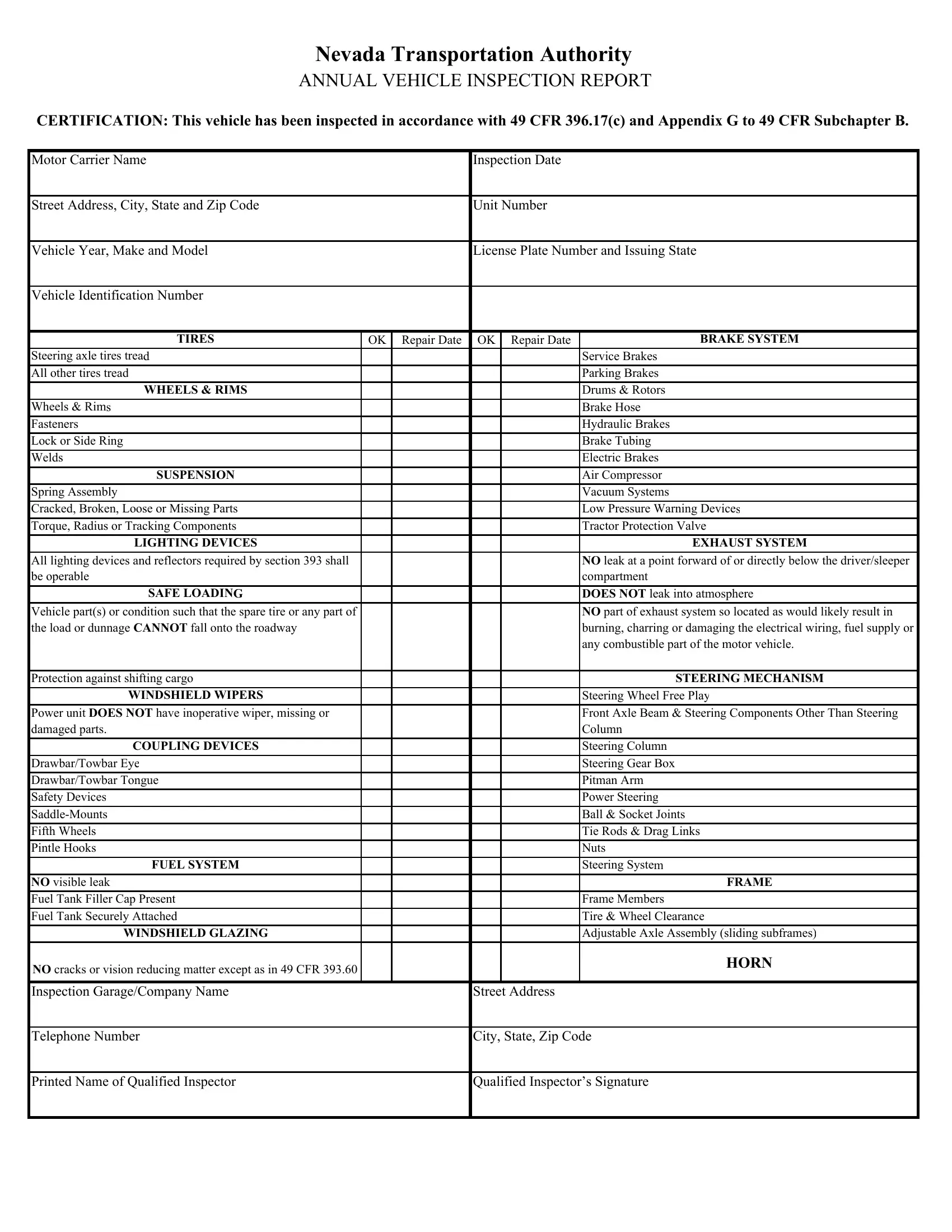
Developing a comprehensive tow truck inspection checklist template doesn’t have to be complicated. The key is to break down the vehicle into manageable sections and list every item that needs checking within those categories. While there are general standards, customizing your template to the specific types of tow trucks you operate—be it flatbeds, wreckers, or heavy-duty recovery vehicles—will ensure it’s maximally effective. Consider whether certain checks are daily, weekly, or monthly, and integrate that into your system.
A good template should be easy to understand and use, even for new drivers. It should allow for clear “pass” or “fail” indications for each item, with space for comments on any issues found. This provides crucial information for the maintenance team to quickly diagnose and fix problems, minimizing downtime and getting your trucks back on the road sooner. A well-structured checklist streamlines the entire inspection process, making it less of a chore and more of a routine.
By empowering your drivers with a clear, actionable checklist, you’re not just delegating a task; you’re instilling a culture of safety and responsibility. This proactive approach to vehicle maintenance not only safeguards your equipment and personnel but also enhances your reputation for reliability and professionalism. It ensures your fleet is always ready to respond effectively and safely to any situation.
Here’s a sample of what categories might be included:
- Vehicle Exterior (Body damage, mirrors, lights)
- Engine Compartment (Fluids, belts, battery, leaks)
- Brakes (Foot brake, parking brake, air pressure)
- Tires & Wheels (Tread depth, pressure, lug nuts)
- Steering & Suspension (Play in steering, shocks, springs)
- Electrical System (Headlights, tail lights, turn signals, warning lights, horn)
- Specialized Towing Equipment (Boom, winch, cables, hooks, chains, hydraulic system)
- Cab Interior (Seat belts, gauges, wipers, fire extinguisher, first aid kit)
- Documentation (Registration, insurance, driver’s license, permits)
Implementing a consistent inspection routine, supported by a meticulously designed template, is one of the smartest investments you can make in your tow truck business. It contributes directly to a safer work environment, fewer operational interruptions, and a stronger, more compliant operation. Think of it as your daily commitment to excellence on the road.
Ultimately, keeping your fleet in peak condition is about more than just avoiding breakdowns; it’s about providing dependable service to those who need it most. A well-maintained tow truck is a symbol of trust and efficiency, ensuring that when the call comes in, you are fully prepared to answer with confidence and capability.