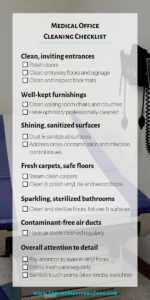
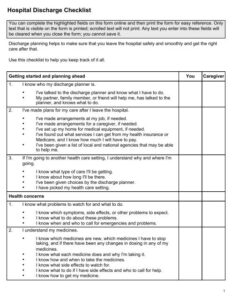
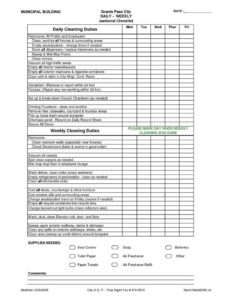
Maintaining a pristine and fully functional patient room is not merely a task; it is a fundamental pillar of patient care, safety, and comfort within any healthcare facility. In the demanding environment of modern medicine, overlooking the seemingly small details of room upkeep can have significant repercussions. This is precisely where a robust patient room maintenance checklist template becomes an indispensable tool, streamlining operations and ensuring every aspect of a patient’s temporary living space meets the highest standards of cleanliness, functionality, and safety. It serves as a living document, guiding staff through routine checks and preventative measures to uphold a healing environment.
The sheer volume of tasks and the critical nature of healthcare settings mean that relying solely on memory or ad-hoc checks is simply not sufficient. Healthcare facilities operate under strict regulatory guidelines and accreditation standards, all of which underscore the necessity of a systematic approach to facility management. From the intricate workings of medical equipment to the seemingly simple integrity of a door handle, every component plays a role in the overall patient experience and operational efficiency.
By adopting a comprehensive and well-structured approach, facilities can not only meet these stringent requirements but also proactively identify potential issues before they escalate into costly repairs or, worse, patient safety concerns. This proactive stance, powered by a well-designed checklist, transforms maintenance from a reactive chore into a preventative strategy, fostering an environment where healing can truly flourish without unnecessary disruptions or hazards.
Why a Meticulous Maintenance Regimen is Non-Negotiable in Healthcare
In the sensitive ecosystem of a healthcare facility, the condition of a patient’s room directly influences their recovery trajectory and overall perception of care. A meticulously maintained room provides more than just aesthetic appeal; it is a testament to the institution’s commitment to patient well-being, fostering trust and peace of mind during often vulnerable times. From the quiet hum of a functioning HVAC system to the spotless gleam of the bathroom fixtures, every detail contributes to a serene and therapeutic atmosphere crucial for healing.
Beyond individual patient comfort, the implications of a diligent maintenance regimen extend into critical areas such as regulatory compliance and accreditation. Healthcare organizations are subject to rigorous inspections by bodies like The Joint Commission or state health departments, all of whom scrutinize environmental services and facility management. Failing to meet these standards can lead to severe penalties, loss of accreditation, and significant damage to a facility’s reputation, underscoring the absolute necessity of systematic upkeep.
Furthermore, a well-maintained environment is a frontline defense against healthcare-associated infections (HAIs). Dust buildup, deteriorating surfaces, leaky faucets, or uncleaned vents can all harbor pathogens, increasing the risk of infection for vulnerable patients. Regular maintenance, including deep cleaning and surface integrity checks, directly supports infection prevention protocols, creating a safer space for everyone.
The functionality and safety of medical equipment within the patient room are another paramount concern. Call buttons, oxygen outlets, IV poles, and patient beds must all be in perfect working order. A maintenance checklist helps ensure that these vital pieces of equipment are regularly inspected, calibrated (where applicable), and repaired promptly, preventing potential hazards or delays in critical care delivery.
A clean, organized, and fully functional workspace also significantly impacts staff efficiency and morale. When nurses, doctors, and support staff enter a well-maintained patient room, they can focus entirely on patient care rather than struggling with faulty equipment, unpleasant odors, or cluttered spaces. This not only enhances productivity but also contributes to a more positive working environment, reducing stress and burnout among dedicated healthcare professionals.
Ultimately, the quality of a facility’s maintenance program directly reflects on patient satisfaction and its public image. Patients and their families notice the details. A room that feels neglected or unsafe can erode confidence, while one that is consistently clean, functional, and inviting can significantly enhance the patient experience, contributing to positive reviews and a stronger reputation within the community. Proactive maintenance, guided by a robust checklist, is an investment that yields substantial returns in safety, satisfaction, and operational longevity.
Crafting Your Ideal Patient Room Maintenance Strategy
Developing an effective maintenance strategy for patient rooms begins with a comprehensive patient room maintenance checklist template. This template is not just a simple list of items; it is a strategic framework designed to ensure that every critical component of a patient’s environment is regularly inspected, serviced, and kept in optimal condition. Its design should be thorough yet flexible enough to adapt to the unique needs of different departments or specific types of patient rooms, ensuring no detail is overlooked.
A truly effective checklist goes beyond surface-level checks, delving into the operational integrity of all installations and furnishings. It should categorize tasks logically, perhaps by area (e.g., bathroom, sleeping area, entry) or by system (e.g., electrical, plumbing, structural), to make the maintenance process efficient and systematic for the technicians or staff performing the checks. This structured approach minimizes omissions and ensures consistency across all patient rooms within the facility.
Key areas that any robust patient room maintenance checklist template should cover include:
- Structural Integrity Checks: walls for cracks or damage, flooring for hazards or wear, ceiling tiles for water damage, windows for proper sealing and operation, and doors for hinges, latches, and general condition.
- Plumbing System Inspections: ensuring sinks, toilets, and showers are free of leaks, drains are clear, faucets function correctly, and water temperature is within safe ranges.
- Electrical System Assessment: checking all outlets for proper function and safety, light fixtures for working bulbs, call buttons for responsiveness, and verifying the integrity of any medical gas outlets.
- HVAC System Evaluation: ensuring thermostats are functional, vents are clean and unobstructed, and air filters are changed regularly to maintain air quality and temperature control.
- Furniture and Fixture Upkeep: inspecting patient beds for functionality and safety mechanisms, bedside tables and chairs for stability and cleanliness, and privacy curtains for cleanliness and proper operation.
- Safety Equipment Verification: confirming that smoke detectors are working, fire extinguishers are charged and accessible, and emergency exits are clear and properly marked.
- Medical Device Readiness: a general check for the presence and apparent working order of common in-room medical devices, leaving detailed calibration to specialized biomedical teams.
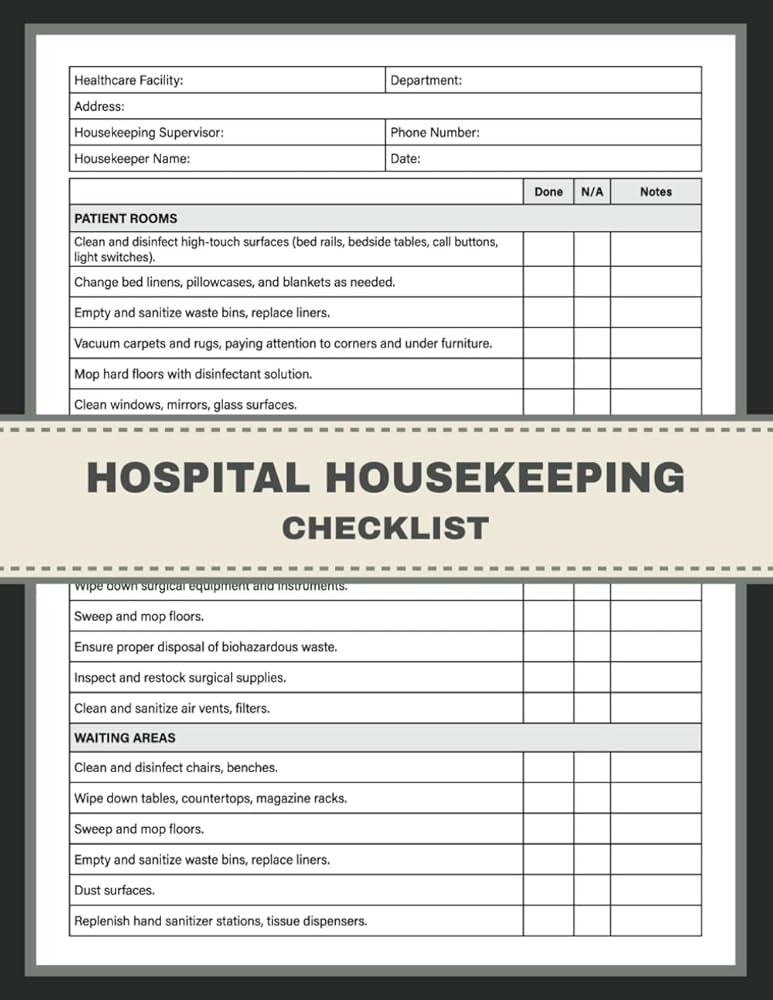
- Cleaning and Sanitization Protocols: verifying that surfaces have been appropriately cleaned and disinfected according to facility protocols and that waste receptacles are properly managed.
It is crucial to remember that this template should be a living document, subject to periodic review and refinement. As new technologies emerge, regulations change, or facility needs evolve, the checklist should be updated to reflect these developments. Regular training for staff on how to use the checklist and what to look for will ensure its effective implementation and continued success in maintaining superior patient environments.
Implementing a thorough and systematically applied maintenance strategy for patient rooms contributes significantly to the overall quality of care. It builds a foundation of reliability and trust, ensuring that the environment itself actively supports healing and recovery. Ultimately, this structured approach is about proactively safeguarding the well-being of patients and upholding the reputation of the healthcare institution.