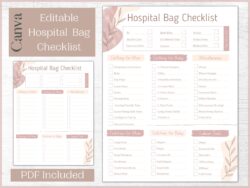
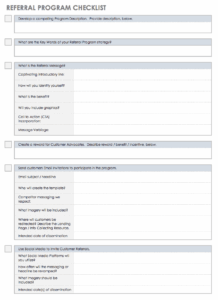
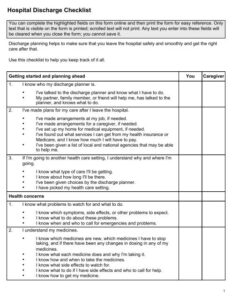
Getting discharged from the hospital can feel like a breath of fresh air, but the real work starts when you get home. It is easy to feel overwhelmed by all the instructions, medications, and appointment dates being thrown at you at the last minute. That is why having a reliable hospital follow up checklist template is so important to ensure nothing slips through the cracks during your recovery journey. When you are prepared, you can focus on healing instead of stressing about what you might have forgotten.
Think of this guide as your personal roadmap for the first few weeks after leaving the clinical environment. Without a clear plan, you might forget a specific pill or miss a subtle warning sign that needs professional attention. By staying organized, you can focus on what matters most, which is getting back to your normal self as quickly and safely as possible. It helps turn a complicated medical process into a series of manageable daily tasks.
Most people assume they will remember everything the doctor said, but the reality is that discharge day is often a blur of paperwork and physical exhaustion. Using a structured approach helps bridge the gap between the professional medical setting and your home life. It also gives your family or caregivers a clear guide on how to support you during this transition. When everyone is on the same page, the risk of readmission drops significantly.
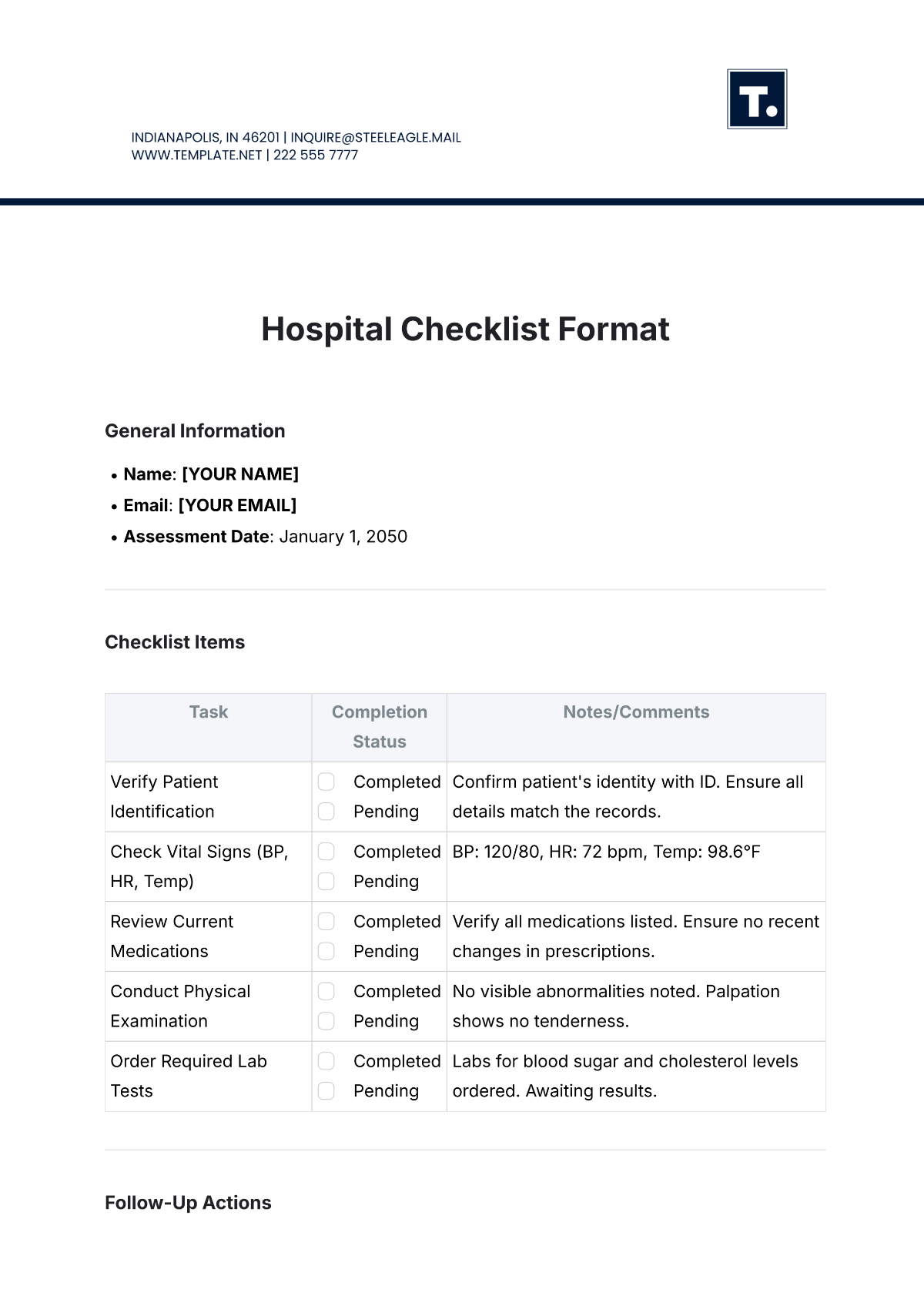
Breaking Down the Essential Components of a Post Hospital Plan
Every patient has different needs, but a good recovery plan usually shares several common pillars that keep things moving forward. You want to make sure you have a section dedicated specifically to medication management. This involves listing every drug you are taking, the exact dosage, the time of day it should be swallowed, and what the medication is actually for. It is also helpful to note if you need to take it with a full meal or on an empty stomach to avoid any digestive issues.
Keeping Track of Medical Appointments
Another crucial part of your recovery involves scheduling and attending follow up visits with various specialists. These are not optional, even if you are feeling significantly better after just a few days. Doctors use these appointments to monitor your progress and catch any potential complications before they become serious issues. Make sure you have the date, time, and location clearly marked in your guide, along with the contact information for each office.
Beyond just the logistics of getting to the clinic, you should also have a space to write down questions for your doctor. It is incredibly common to think of something at three in the morning but forget it by the time you are sitting in the exam room. Keeping a running list ensures that your concerns are addressed and that you fully understand your ongoing treatment plan. This keeps you in the driver seat of your own healthcare journey.
Monitoring Your Physical Symptoms
Physical recovery is rarely a straight line, and you need a consistent way to track your daily progress. Your plan should include a section for daily vitals if your doctor requested them, such as blood pressure or temperature readings. More importantly, it should list red flags or symptoms that require immediate action, like a sudden fever, chest pain, or increased redness at an incision site. Knowing what is normal and what is an emergency provides immense peace of mind.
Nutrition and activity levels are also worth tracking on a daily basis. Depending on why you were in the hospital, you might have specific dietary restrictions or physical therapy exercises to perform several times a day. Keeping a log of these activities can help you stay motivated and show your medical team exactly how you are adhering to their professional recommendations. It provides a visual representation of how far you have come since discharge day.
Finally, do not forget about the administrative side of the recovery process. This includes ensuring your insurance company has all the necessary information and that your primary care physician has received your full discharge summary. Coordination between different healthcare providers is key to a seamless recovery process. When the paperwork is handled, you can put all your mental energy into getting stronger and returning to your favorite hobbies.
Simple Tips for Using Your Recovery Guide Effectively
Once you have your hospital follow up checklist template ready, the next step is actually putting it to use in your daily routine. It works best if you keep it in a highly visible place, such as on the refrigerator or a bedside table. If you have a primary caregiver or a family member helping you, make sure they have access to it as well so they can help you stay on track with your medications and upcoming appointments.
Digital versions are also great because you can share them easily with family members who might live far away but still want to stay informed about your health. Whether you prefer a physical piece of paper or an app on your phone, the key is consistency and honesty in your logging. Here are a few things you should always keep handy along with your main checklist:
Do not be afraid to customize the guide to fit your specific medical situation. If you are recovering from a major surgery, you might need more space for wound care notes and dressing changes. If you are managing a chronic condition like diabetes or heart disease, you might need more room for tracking blood sugar or heart rate levels. The goal is to make the document work for you, not the other way around.
Navigating the days and weeks after a hospital stay can be challenging, but being prepared makes a massive difference in your stress levels and health outcomes. When you have a clear plan in place, you remove the guesswork and can move forward with confidence. It allows you to take an active role in your health rather than just reacting to things as they happen. Staying organized is one of the best gifts you can give yourself during a vulnerable time.
Remember that recovery is often a marathon rather than a short sprint. Be patient with yourself and lean on the tools and people around you for support whenever you feel tired or confused. By staying organized and following through with your medical team’s advice, you are giving your body the best possible chance to heal and thrive in the long run. You have the power to make your transition home as smooth as possible.