Getting a brand new piece of machinery delivered to your job site or facility is always an exciting moment. It represents growth, increased productivity, and the potential to tackle more complex projects. However, in the rush of the delivery driver wanting a signature and your team wanting to get to work, it is incredibly easy to overlook small details that could turn into massive headaches later. That is exactly why having a solid equipment delivery inspection checklist template is one of the most important tools in your operational arsenal. It ensures that nothing is missed and that your investment is protected from the very second it rolls off the trailer.
Think about the last time you received a shipment. Was the driver in a hurry. Did you feel pressured to just sign the bill of lading and move on. Many people do this every day only to find out three hours later that there is a hydraulic leak or a cracked casing that was hidden by a bit of road grime. Once that driver leaves and you have signed that document stating everything was received in good condition, the burden of proof shifts heavily onto you. Proving that damage happened during transit rather than on your site becomes an uphill battle that most businesses simply do not have the time to fight.
By implementing a standard process, you take the guesswork out of the equation. You empower your staff to be thorough even when they feel rushed. A good inspection process is not about being difficult or slowing things down, it is about professional due diligence. It creates a paper trail that protects your company, the vendor, and the shipping company. In the following sections, we will dive deep into why this systematic approach is so vital and what exactly you should be looking for when that heavy truck pulls into your yard.
Why You Absolutely Need a Systematic Approach to Receiving Gear
The moment of delivery is the single most critical point in the lifecycle of your equipment procurement. It is the transition of liability. Before the signature, the equipment is the responsibility of the seller or the carrier. After the signature, it is yours. Without a structured way to evaluate the condition of the asset, you are essentially gambling with your budget. A systematic approach ensures that every single person on your team knows exactly what to look for, regardless of their experience level with that specific type of machinery.
We often see situations where a piece of equipment looks great from ten feet away, but a closer look reveals significant issues. This is why a step by step guide is so important. It forces the inspector to move around the machine in a logical way, checking the undercarriage, the engine compartment, and the operator cab. It prevents the shiny new paint from distracting you from the fact that a mounting bracket is bent or a seal is weeping fluid. When you have a list in front of you, you are far less likely to skip the boring stuff that actually matters for the long term health of the machine.
Protecting Your Financial Investment
Equipment is expensive, and the margins in many industries are thin. If you receive a machine that has been dropped or bumped during transit, the structural integrity could be compromised. If you do not catch this immediately, you might end up paying for repairs out of your own pocket. Even worse, if the damage leads to a total failure down the road, your insurance company might deny the claim if they can prove the damage existed at the time of delivery. Having a documented inspection protects your bottom line by ensuring the responsible party pays for their mistakes.
Furthermore, many warranties have very specific clauses about reporting damage upon arrival. If you wait a week to report a broken sensor or a dented panel, the manufacturer might claim that the damage happened during your operation of the machine. By having a timestamped and signed inspection report, you have undeniable evidence that the issue was present when the machine arrived. This makes warranty claims much smoother and keeps your relationship with the vendor professional rather than adversarial.
Maintaining Operational Efficiency and Safety
Beyond the money, there is the issue of time. If you accept a machine that is not fit for purpose, you have to take it out of service for repairs. This causes delays in your projects, which can lead to penalties or unhappy clients. A thorough inspection helps you identify these issues before you rely on the machine for a critical task. It is much better to reject a delivery or note the damage immediately than to have a machine break down in the middle of a high stakes job because a pre existing fault was ignored.
Safety is perhaps the most important reason of all. Equipment that has been damaged during shipping can be unpredictable. A hairline crack in a lifting arm or a frayed electrical wire can lead to catastrophic accidents on the job site. By following a rigorous inspection routine, you are making a commitment to the safety of your operators and everyone else on the site. You are ensuring that every piece of gear that enters your fleet meets the high standards required for safe operation.
Key Components to Include in Your Inspection Routine
When you are building your own equipment delivery inspection checklist template, you need to make sure it covers all the bases without being so long that people ignore it. Start with the basics like the make, model, and serial number. It sounds simple, but you would be surprised how often the wrong machine is delivered, or the serial number on the paperwork does not match the one on the metal. Confirming these details first ensures that you are actually inspecting the asset you paid for and that your records will be accurate for future maintenance and tax purposes.
Next, move to a visual walkaround that covers the entire exterior of the machine. You should be looking for any signs of impact, such as scratches, dents, or broken glass. Check the tires or tracks for excessive wear or damage that might have occurred during loading and unloading. Do not forget to look underneath the machine for any puddles or signs of fresh leaks. A brand new machine should be dry and clean. If you see oil or coolant, that is an immediate red flag that needs to be documented with photos and noted on the delivery receipt before the driver leaves your site.
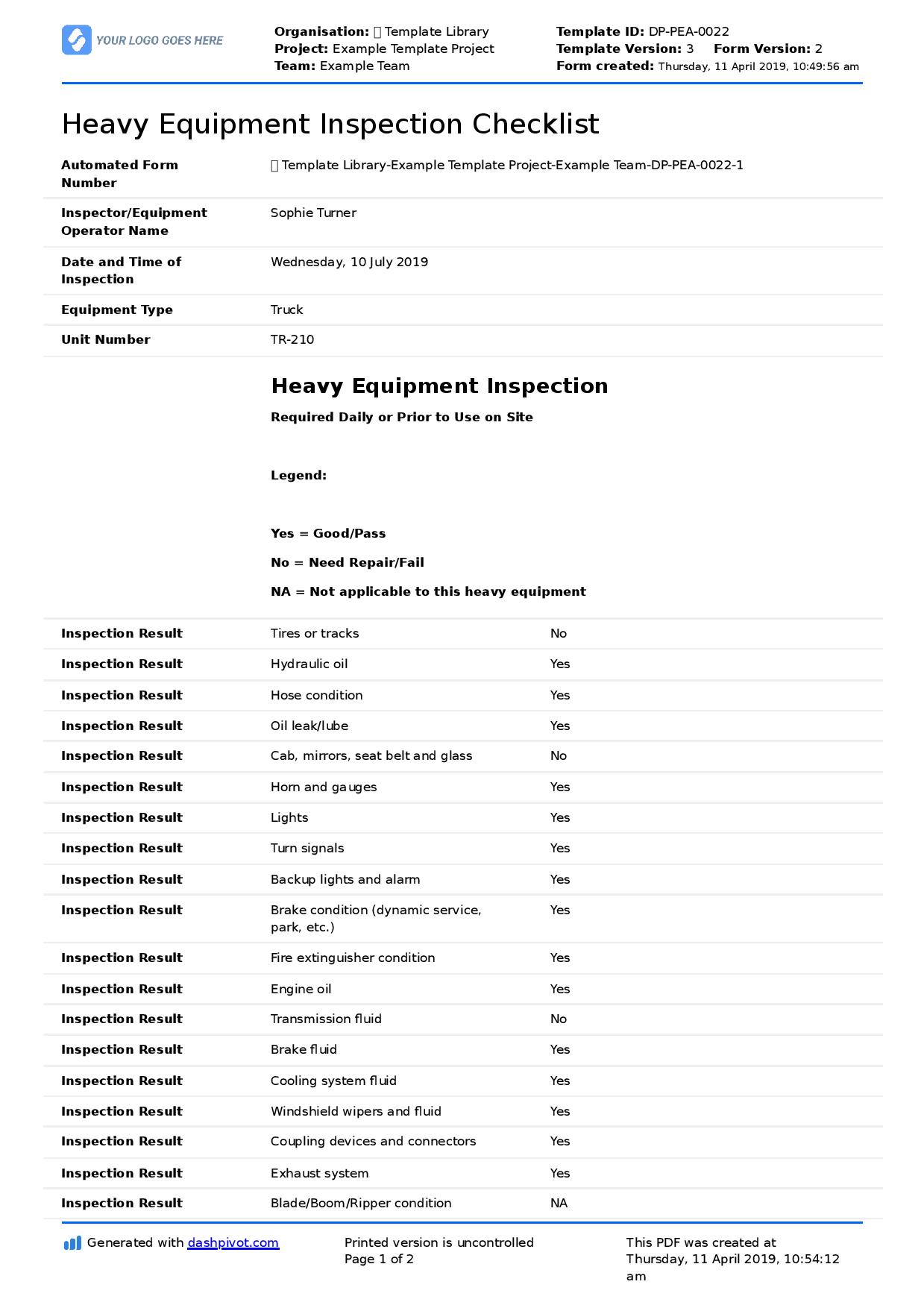
Finally, perform a basic functional test if the machine is in a condition to be started. Check the fluid levels first to ensure you are not starting an empty engine. Once it is running, listen for any unusual noises and test the primary functions such as the boom, the blade, or the drive system. This is also the time to verify that all accessories and manuals that were promised are actually present. A complete inspection should always include the following items:
Once you have completed the walkaround and functional tests, do not forget to take plenty of high resolution photos from every angle. Photos are the ultimate backup for your written notes. If you find a scratch, put your hand or a pen next to it for scale and take a clear picture. Modern smartphones make this incredibly easy, and these images can be attached to your digital records for permanent storage. Having this visual evidence makes it almost impossible for a carrier or vendor to dispute your findings if a claim needs to be filed later on.
In the end, the goal is to create a culture of accountability and care within your organization. When your team knows that every delivery is going to be scrutinized, they start to take more pride in the equipment they use. They understand that the company values its assets and is committed to providing them with tools that are safe and in good working order. It turns a mundane task into a critical quality control step that pays dividends for years to come through reduced downtime and better resale value of your fleet.