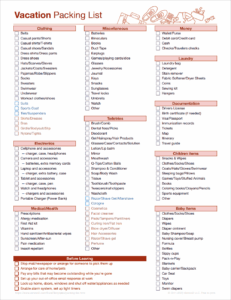
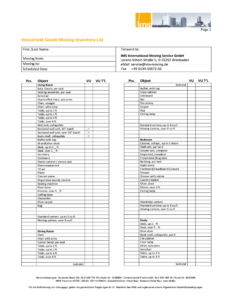
Moving out during a divorce is easily one of the most stressful experiences a person can go through. It is not just about packing boxes and hiring movers; it is about disentangling a life you spent years building with someone else. To keep your sanity intact and ensure you do not forget anything vital, having a solid divorce moving out checklist template can be a lifesaver. It acts as a roadmap during a time when your brain might feel like it is stuck in a thick fog, helping you navigate the logistics while you process the emotional weight of the situation.
Deciding to leave the marital home is a monumental step, and it often comes with a whirlwind of feelings ranging from relief to profound sadness. Because your focus is likely split between legal proceedings and your emotional well-being, the practical details of a move can easily slip through the cracks. You might find yourself staring at a closet full of clothes or a kitchen full of gadgets, unsure of what is rightfully yours to take or what is worth the effort of hauling to a new space.
Preparation is the key to making this transition as smooth as possible for everyone involved. By breaking down the process into manageable steps, you can avoid the common pitfalls that lead to unnecessary conflict or forgotten essentials. This guide is designed to walk you through the necessary stages of moving out, ensuring that you leave with everything you need to start your next chapter with confidence and a clear head.
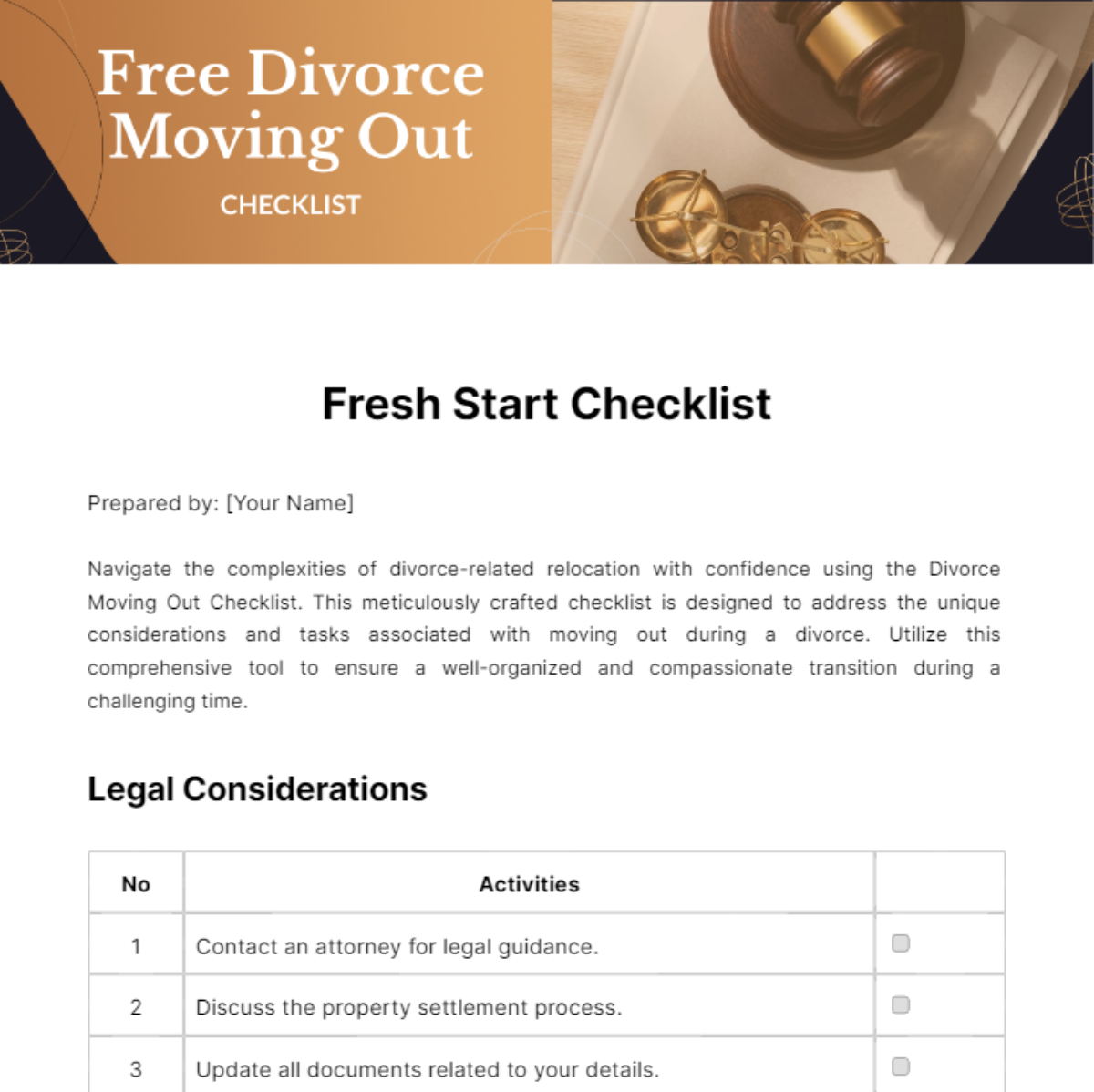
Navigating the Physical and Legal Logistics of Moving Out
One of the most important things to consider before you even touch a packing box is the legal implication of your departure. In some jurisdictions, moving out can be viewed as abandonment of the property, which might affect your rights during the property division phase of the divorce. It is always a good idea to consult with your attorney before making a permanent move. They can help you understand the specific laws in your area and advise you on how to document your departure so that it does not negatively impact your case down the line.
Once you have the legal green light, you need to think about the physical logistics of the move. If the environment in your home is tense or volatile, you might want to schedule your move for a time when your spouse is not present. This can prevent heated arguments and allow you to focus on the task at hand without added stress. Conversely, if you are on amicable terms, you might sit down together to decide who gets which large furniture items or appliances to avoid confusion on moving day.
Organizing Your Essential Documents
Before you start packing your clothes or kitchenware, focus on your paperwork. You will need to gather original or certified copies of important documents such as your birth certificate, passport, social security card, and any medical records. In a divorce, financial transparency is crucial, so make sure you have copies of recent bank statements, tax returns, mortgage documents, and insurance policies. Having these organized in a secure folder or a digital drive will save you a massive headache when your lawyer or the court requests them later.
It is also wise to take a detailed inventory of the items in the house before you start moving things out. Take photos or videos of every room, including the inside of cabinets and the garage. This provides a clear record of the condition of the home and the items present, which can be invaluable if disputes arise about what was taken or what was left behind. Documentation is your best friend during this process, as it removes the uncertainty that often complicates property division.
Sorting Your Personal Belongings
When it comes to personal items, try to stick to what is clearly yours. This includes your clothing, jewelry, personal electronics, and family heirlooms that belonged to your side of the family before the marriage. If you are unsure about an item, it is better to leave it for now or discuss it with your legal counsel. Taking things that are considered marital property without prior agreement can lead to legal complications and increased tension between you and your soon to be ex spouse.
Consider the practicalities of your new living situation as you pack. If you are moving from a large house to a smaller apartment, you likely cannot take everything you want. Prioritize items that serve an immediate purpose or hold deep sentimental value. This is a great time to declutter and let go of things that no longer serve you, which can be a cathartic exercise as you prepare to start fresh in a new environment.
Setting Up Your New Space for Success
After the boxes are loaded and you have officially left the marital home, the focus shifts to establishing your new residence. This transition is about more than just unpacking; it is about creating a sanctuary where you can begin to heal and rebuild. Use your divorce moving out checklist template to ensure that you have all the basics for your new kitchen, bathroom, and bedroom so that you are not left scrambling for a towel or a coffee mug on your first morning alone.
Setting up your utilities should be at the top of your to-do list as soon as you have a move-in date. Ensure that the electricity, water, internet, and gas are all in your name and ready to go before you arrive. You should also update your mailing address with the post office, your bank, your employer, and any subscription services. It is easy to forget these small administrative tasks when you are dealing with the emotional weight of a divorce, but staying on top of them will help you feel more grounded and in control of your new life.
Establishing a routine in your new home is vital for your mental health. Even if your new place feels a bit empty or unfamiliar at first, try to make it feel like yours by hanging some art or arranging your furniture in a way that makes you feel comfortable. Take your time with the process as you do not have to have everything perfect in the first week. Focus on the essentials first, and allow yourself the space to grow into your new surroundings as you move forward.
Starting over is a journey that requires patience, resilience, and a lot of self compassion. The physical act of moving is just one step in the much larger process of emotional and lifestyle transition. By staying organized and focusing on the practical steps needed to establish your independence, you are laying a strong foundation for the future. It is okay to feel overwhelmed at times, but remember that each box unpacked is a step toward a new beginning and a life defined by your own choices.
Surround yourself with a support system of friends, family, or professionals who can offer guidance and encouragement as you navigate this change. While the road ahead may seem daunting, it is also filled with opportunities for personal growth and rediscovery. As you settle into your new home, take a moment to acknowledge the strength it took to get here and look forward to the possibilities that await you in this next chapter of your life.